Pages

Friday, 25 August 2017

Nikon’s New D850 45.7 MP DSLR Camera With 4K Video And 8K Timelapse Is Awesome

Juan Carlos Ropel, August 24, 2017

While celebrating Nikon's 100th anniversary, the Japanese corporation has introduced a Nikon FX-format digital SLR camera that optimizes an excellent combination of high resolution and high-speed performance. We're talking about the Nikon's D850, their next-generation full-frame camera for professional photographers and advanced hobbyists who want to get the best picture quality possible from a prosumer 4K DSLR.

The D850 is the successor to the Nikon D810, and is Nikon's first digital SLR camera to be equipped with a backside illumination CMOS sensor. The camera offers an effective pixel count of a massive 45.7 megapixels (ideal for billboards and 8K displays) that's more reminiscent of certain Sony mirrorless models such as the A7R II, with the same huge megapixel range, and supports the ISO 64-25600 range of standard sensitivities, ranging from its native ISO sensitivity of 64 to 25,600, and can be further increased to a range of 32-102,400, though effective, noise-free ISO is much lower than these maximum amounts.

Nikon D850 DSLR

Thanks to its equipped backside illumination CMOS sensor capable of high-speed readout of high-volume data; the latest image-processing engine, the EXPEED 5, that processes a considerably large amount of information at high speed, and newly designed shutter and mirror mechanism, the D850 camera is capable of high-speed continuous shooting. It can shoot 7 FPS at maximum resolution and up to 9 FPS by attaching an optional MB-D18 Multi-Power Battery Pack.

Nikon also stuffed a 153-point AF system (also used in Nikon's D5), which provides a greater certainty of capturing moving subjects, and is possibly one of the best autofocus systems out there.

Another useful curiosity is the D850's silent shooting mode, which deactivates the mechanical shutter's front and rear curtains and uses the image sensor to perform the operations, making this an effective choice in situations when the sound of shutter is distracting or impolite, such as theater performances, museums, weddings or quiet places.

It's also the first Nikon FX-format D-SLR camera to offer full-frame 4K UHD video. It can shoot 4K video at 30 frames per second and 1080p video at 120 frames per second, and is capable of making 8K time-lapse video to make the most of interval timer photography, as well as 4x and 5x slow-motion movies.

Nikon 45.7 MPixel D850 4K camera

The Nikon D850 features a 3.2-inch touchscreen, a rechargeable Li-ion battery that can shoot approx. 1840 still images from a single charge or 70 minutes of video. It has a built-in dual memory card slot with Wi-Fi and Bluetooth connectivity.

All in all, this new model is looking like one real beast of a 4K-capable DSLR shooter and its megapixel range, backlit sensor and 8K time-lapse capacity alone are definitely something to consider for assorted shooting needs.

Right now you can get the D850 on pre-order on Nikon's website starting at $3,299.95

Story by 4k.com


Source: Nikon's New D850 45.7 MP DSLR Camera With 4K Video And 8K Timelapse Is Awesome

Thursday, 24 August 2017

Nikon's D850 Is Stealing Some of the Mirrorless Camera's Best Features

Image: Alex Cranz/Gizmodo

DSLR cameras, the big bulky Nikon and Canon cameras you see photographers and your cousin Mimi rocking at weddings, aren't going to go away any time soon, but mirrorless cameras, like the excellent Sony A9, have gotten good enough to make the Nikons and Canons of the world scared. So Nikon's latest full frame professional camera, the D850, borrows some pro experiences from it's mirrorless rivals: Including a tilting display, focus stacking, and mirror-free shooting.

The knob and frequently used buttons are all in one thumb-friendly place. (Image: Alex Cranz/Gizmodo)

The D850 is the successor to the Nikon D810, a full-framed Canon 5D competitor introduced back in 2014. While the body is similar, the D850 looks like it will be a big upgrade in every way. The image sensor has blown up from 37.09 megapixels to 45.7 megapixels. It can shoot 4K video at 30 frames per second and 1080p video at 120 frames per second, when the D810 could only do 1080p up to 60fps. It's also using the same 153-point autofocus system as the $6500 Nikon D5. That makes the D810's 51-point autofocus system seem utterly lame in comparison.

Yet these kind of crazy specs are to be expected from Nikon's workhorse pro camera. That's practically the bare minimum it would need to stay competitive with shooters like the $4500 Sony A9 and $3300 Canon 5D Mark IV. If Nikon wants to make a really incredible camera that will entice new users it needs something super slick.

The screen moves! (Image: Nikon)

First up is the display around back. It actually tilts! It's a $3000-plus DSLR with a LCD touchscreen you can tilt! I'm using exclamation points because that is sadly a big deal! That's because tilting displays, while common are cheaper cameras, are utterly absent from high-end cameras geared towards professionals. The Nikon representative, while briefing Gizmodo on the D850, was quick to point out that the screen's range of movement, compared to products like the Canon 6D Mark II, was intended as a compromise for video shooters, who need a screen they can adjust, and camera users shooting in extreme environments full of dust and moisture. A more flexible display might have made the D850 less durable, while a display with zero range of movement would have been the exact same thing you get with the Canon 5D Mark IV.

Next up is the focus stacking ability. If that's leaving you confused it's okay. Think of it sort of like HDR photography, only instead of taking multiple photos to get the ideal exposure for every point of the image, focus stacking takes photos at a range of focal points to give you an image that is entirely in focus. This is a useful feature if you have to shoot a still life and don't want to lose light by altering the aperture.

The D850 features dual SD card slots—so you can instantly pack up images or double the amount of shooting space you have. (Image: Alex Cranz/Gizmodo)

While Nikon didn't allow me to snatch the D850 up and run around town snapping photos, the representative did guide me through the entire focus stacking process, and if it works as well in the retail D850 as it did in the demo unit I got to play with, then Nikon shooters should be in for a treat. The focus stacking mode was fast and smooth—though, as with HDR shooting, it will definitely require a tripod and a trip into Photoshop to stitch the images together.

But what won't require a tripod or Photoshop is the silent shooting mode. DSLRs make a loud noise every time they take a photo, and besides weight and size, that audible noise has been one of the primary features settings DSLRs apart from mirrorless cameras. That click, every time you shoot, is so pleasant mirrorless cameras actually purposely emulate it. But that click can be distracting too—especially when you're shooting a wedding, stage play, or any other public event where people don't need the noisy distraction.

All the buttons also light up—in case you want to get your astrophotography on. (Image: Alex Cranz/Gizmodo)

So Nikon just locks up the mirror on the D850 and lets you shoot 6 frames per second with an electronic shutter instead. That's not much different than the 7fps you can shoot in regular mode (or the 9fps you can shoot if you install an additional battery grip). In fact the only real downside to silent shooting is that the camera won't automatically refocus when trying to blast through six frames every second. But if you're just grabbing the big kiss during a wedding or snatching little Peter's pirouette at the recital it should be more than enough.

It's also proof, as Nikon's representative confirmed, that Nikon is very aware of its competitors beyond Canon, and knows it needs to be as technically savvy as slick shooters like the Sony A9. At $3300 for the body alone, there's no question the Nikon D850 will take gorgeous pictures worthy of a spread in a magazine. Yet with some of those cooler features (gimmicks) Nikon might just be able to break away from the pack of other high end cameras. Yet we won't know for sure until we get our hands on one for review, and if you want to learn more yourself you'll need to wait until September 2017 when Nikon expects to start shipping.


Source: Nikon's D850 Is Stealing Some of the Mirrorless Camera's Best Features

Wednesday, 23 August 2017

Reports of a Canon Full Frame Mirrorless Camera System Continue

We still find it somewhat amazing that no one has yet challenged Sony in the full frame mirrorless market. It is to the point now that any serious contender to the FE system will need to be pretty great right out of the gate, as Sony has had many years not to perfect and work the kinks out of their system. One big idea that has been floating around is that Canon will be entering the full frame mirrorless arena, possibly with an EF Mount!

These reports first started in 2014 and showing up in 2016 with seriousness, and some reported even said the system may be launched as soon as 2017, but now the consensus is that this system may have been delayed to 2018 due to issues with the EF mount in a mirrorless form factor. This makes sense, the mount was designed for mirror based SLR/DSLR AF systems, and getting it to work with mirrorless systems is an understandable hurdle. However, there was a pellicle mirror camera designed for the system.

Not to mention the size differences. We don't know how Canon is planning to implement the EF Mount into a more compact mirrorless chassis, but that alone could possibly be some of the hold up here. Balance and ergonomics have been a big thing with Canon's DSLR cameras, so it wouldn't be a surprise if they spent extra time trying to get it right with their full frame mirrorless system.

As far as the rest of the camera goes, it is looking as if we can look for an around the mid-high 30-megapixel mark (so like 35-39MP), with 4K video and an official unveiling most likely at or around Photokina 2018.

It will be interesting to see how this affects the Canon EOS-M line, which has been more or less an experiment by Canon that always seems to be a step behind the other mirrorless companies. Anyway, you can stay up to date with the latest Canon full frame mirrorless rumors over on Mirrorless Rumors, and we will, of course, be updating you with any further developments as they become known to us.


Source: Reports of a Canon Full Frame Mirrorless Camera System Continue

Tuesday, 22 August 2017

GodoxPhoto mobile app offers flash control for your DSLRs & Mirrorless cameras

Well, this is a pretty cool and interesting development from the Godox camp. There's a new firmware out for each of the five Godox X1T triggers. Five, because there's one each for Nikon, Canon, Sony, Fuji and Olympus/Panasonic. Releasing a new firmware in and of itself isn't a big deal, but what is interesting is what this particular release seems to add.

Recently we told you about the new Godox A1 flash trigger for mobile devices. It talks to your phone via BlueTooth and fires your flashes when you shoot a photo with it. Great for quick behind the scenes shots for social media. Now, though, it appears that you might be able to use the mobile app to control the flashes for your DSLR or mirrorless camera, too!

This is what the note actually says…

To add C.Fn custom settings. The transmitter's parameters that set by Godox APP are not changed. And the transmitter is only for triggering

We may be mistaken (but we don't think we are), but this seems to suggest that the X1T basically goes into a "dumb" trigger mode. It essentially only tells your flashes to fire. The firmware disables the ability of the X1T to change any settings on your flash units. It also says that the Godox App (GodoxPhoto) sets the parameters. At the moment, this app only works with the Godox A1.

The logical assumption then, is that your phone communicates with the A1, which in turn sets the power on each flash. Then the X1T on top of your camera's hotshoe fires them at whatever settings the A1 told it to.

The only person I know who happens to have an A1 is out of town until Wednesday. So, we're presently unable to confirm if this is the way things will work. But, I don't see what other option it could be.

I suggested in the A1 pre-order announcement that it would be fantastic to see Bluetooth integrated into an X1T successor. Then we could get this kind of functionality. But I never suspected we'd see a firmware that could let us do it with the current generation.

The firmware update is available for the following transmitters…

As well as this, it looks like the Fuji transmitter has been updated to add support for the Fuji GFX 50s. Support has also been added for the X100F and X100T cameras to reach 1/1250th of a second in high speed sync mode.

You can download the new firmware on the Godox website. And you can get the GodoxPhoto app on the Apple App Store. Android version is expected next month.

If it works the way it seems, the Godox A1 just got a whole lot more useful. Especially for studio shoots. The ability to store lighting presets for commonly used setups will be a great time saver.


Source: GodoxPhoto mobile app offers flash control for your DSLRs & Mirrorless cameras

Monday, 21 August 2017

The Best Cameras to Take Traveling

Trust us when we say that once you've slept off the jet lag and finally unpacked your suitcase, you're going to wish you had more than Snapchat screenshots to remember your vacation by. But diving into the world of cameras beyond the one in your iPhone can involve a rabbit hole of Google searches, confusing terms and the decision of whether it's worth buying a camera that will set you back a month's worth of rent.

So if you need help choosing one for your next adventure, here's your guide to five of the most popular camera styles out there best suited for your next trip around the world.

① Action Cameras

Synonymous with selfie sticks and full-time YouTubers, these rugged, ultra-compact cameras have a lot to like. For more adventurous (and er, clumsy) travelers, they're built to survive a prolonged swim in the ocean, as well as a drop or two during a hike up Machu Picchu. Their pocketability is also hard to beat. 

With a camera this small, there are a few downsides though, including a short battery life and lack of adjustable settings. But let's be real: If all you're looking for is something that will make it through a drunken Barcelona bar crawl (even if you don't), you're not going to be concerned about things like aperture and shutter speed. Just don't forget to pack the selfie stick. 

Who It's For: Adventure types who just want to record themselves cliff diving in Thailand; the clumsier among us who at most will upload photos to Facebook. (For some users, this camera is more a supplement than their sole picture-taking device.)

② Point and Shoot

Cell phones may have slowly edged out the need for compact point-and-shoots (the small bricks we all had circa 2007), but they're still an excellent choice for casual photographers who want to do more than just tag Instagram friends. Though many models come with specific shooting modes (such as portrait and night-specific settings), most users will probably just stick to automatic and let the camera do all the thinking. Point-and-shoots also tend to be the least expensive option for those looking for a dedicated camera.

While their image quality can definitely be a step up from GoPros, the picture quality from point-and-shoots is still limited by the camera's small physical size. But if the most you're doing is sending photos to Grandma and printing four-by-sixes for family photo albums, this is exactly what you need to get the job done.

Who It's For: Casual photographers who want photo album-quality pics without having to think; budget-conscious travelers.

③ DSLR

As you get more into growing your Flickr account, you might consider graduating to a DSLR (digital single lens reflex) camera. The opposite of pocket friendly, these bulky cameras carry a lot of advantages: They're able to capture more detailed images, have a robust number of adjustments and have an endless array of lenses you can swap out depending on what you're shooting, whether it's landscapes of Yosemite or street portraits of Hong Kong. 

Not all of them cost four figures—Canon's entry-level option rings in at under $500 and includes a decent all-purpose lens perfect for people getting their feet wet. Though there is an automatic mode that, like point-and-shoots, does all the thinking for you, getting used to everything a DSLR has to offer can take a lot of late nights with the owner's manual before you get comfortable.  

Who It's For: Enthusiasts who want Nat Geo-worthy shots and don't mind the extra bulk or learning curve. This is the go-to type of camera (and Father's Day gift) of serious dads the world over.

④ Mirrorless Cameras

Consider this the compromise between a point-and-shoot and a DSLR. The mechanical mirror that's used in a bulky DSLR is gone, hence the mirrorless part. Expect near-equal image quality along with the same abundance of adjustments (including changeable lenses) in a still-backpack-friendly size.

Being a relatively recent piece of technology, mirrorless cameras literally come at a cost. Aside from the price tag, being the new kid on the block also means there are a limited number of lenses and accessories to choose from.

Who It's For: Travelers who have the cash to burn and know exactly what they want; pros tired of lugging a five-pound behemoth everywhere they go.

⑤ Cell Phones

In the end, the best camera is the one you always have with you. For backpackers who don't want to be tied down by extra memory cards and chargers, cell phones surprisingly make for the best travel camera of all. An excellent number of editing apps means you can shoot, edit and upload photos long before you realize you forgot to pack a memory card for your point-and-shoot.

Of course, camera phones have their obvious limitations (they've always been mediocre in low light, and you'll have to pay extra for apps that let you control specific camera settings), but for something you're guaranteed to have with you at all times, it can't be beat.

Who It's For: The minimalist traveler who refuses to check a bag. In the hands of an expert, camera phones are more than capable of churning out magazine-worthy photos.

See Our Favorite Cameras

  • GoPro HERO Session HD

    Action Camera

    A cleverly small yet durable design and an attractive price mean the Session is a good supplement to your everyday camera.

    bestbuy.com, $150

  • GoPro Hero5 Black

    Action Camera

    The ability to record videos at 4K resolution and a comforting sturdiness make the Hero5 an always-popular choice when it comes to action cameras.

    bhphotovideo.com, $399

  • Canon PowerShot SX720

    Point and Shoot

    This model's extra-long 40x optical zoom, built-in Wi-Fi and svelte size are ideal for family vacations.

    canon.com, $350

  • Olympus Tough TG-5

    Point and Shoot

    For the clumsier among us, Olympus's point-and-shoots are built to withstand whatever you throw at them (or whatever you throw them at).

    bhphotovideo.com, $449

  • Canon Rebel T6 with 18-55mm Lens

    DSLR

    For those looking to dip their toes into the world of DSLR cameras, Canon's Rebel line is an affordable option.

    canon.com, $450

  • Nikon D500 Camera with 16-80mm Lens

    DSLR

    With image quality that will impress both the hobbyists and the pros, this mid-level option is a jack-of-all-trades.

    bhphotovideo.com, $2,497

  • Panasonic Lumix Mirrorless Camera with 12-32mm Lens

    Mirrorless

    It's pricier than your normal point-and-shoot, but beautiful photos and a pocket-friendly size make this model hard to beat.

    bhphotovideo.com, $698

  • Sony A7R (Body Only)

    Mirrorless

    If you're willing to shell out the dough, Sony's highly acclaimed A7 series delivers Nat Geo-worthy photos.

    adorama.com, $1,049

  • iPhone 7 Plus 128GB

    Cell Phone

    An innovative dual-camera system gives the 7 Plus an edge when it comes to shooting portraits.

    bestbuy.com, $750

  • Google Pixel 32GB

    Cell Phone

    For Android users, the Pixel is Google's latest camera phone that's more than capable of replacing your point-and-shoot.

    amazon.com, $668


  • Source: The Best Cameras to Take Traveling

    Sunday, 20 August 2017

    What’s the Best Camera for Landscape Photography?

    Despite what many people seem to think, great landscape photos can be captured on just about any camera these days. Smartphones, point-and-shoot compacts, and bridge cameras are all capable of outstanding results. However, they do lack a certain degree of functionality and versatility. For that reason, most landscape photography enthusiasts tend to invest in one of two popular systems – a digital SLR (Single Lens Reflex) or Mirrorless camera. Both systems have their pros and cons; your decision will be dictated by versatility, preference and weight. Let's take a look at some of the key things to consider, and what the best camera for landscape photography is today.

    best camera for landscape photography

    best camera for landscape photography

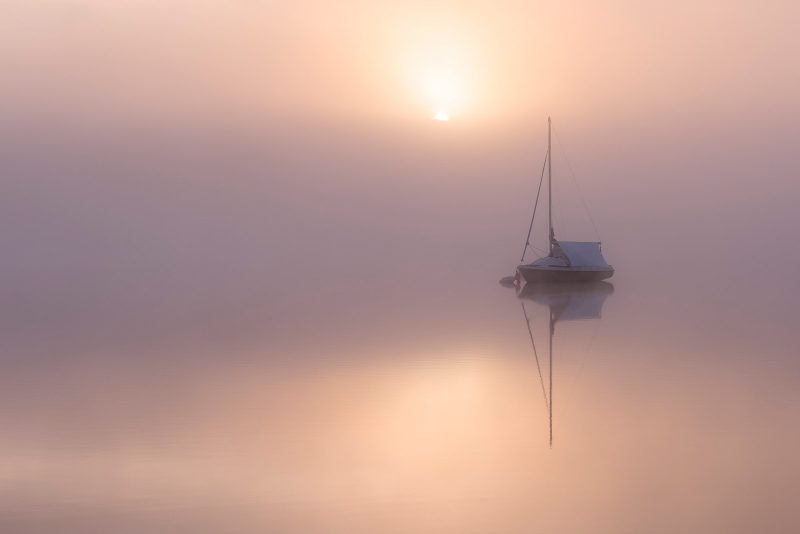
    Landscape photographers will normally be using a tripod and focusing and composing via LiveView when taking their photos.

    Unlike the best cameras for wildlife photography, landscape photographers generally do not require speed. A high frame rate, or the most sophisticated AF system, is typically of no great advantage. If you are a landscape photographer who intends to shoot star trails, the Northern Lights or the Milky Way, higher ISO performance should be a consideration. Otherwise, you are unlikely to raise the ISO much above 400 when shooting landscape scenes, as you will normally be using a tripod and maximising image quality will be your top priority.

    The features most important to landscape photographers when choosing a camera are megapixels (high-resolution cameras are capable of capturing exquisite, fine detail) and good dynamic range (for coping with high contrast scenes at dawn and dusk). Most landscape photographers favour composing and fine-tuning their composition via LiveView, as this is another key function that should remain clear and usable even in low light situations.
    best camera for landscape photography

    best camera for landscape photography

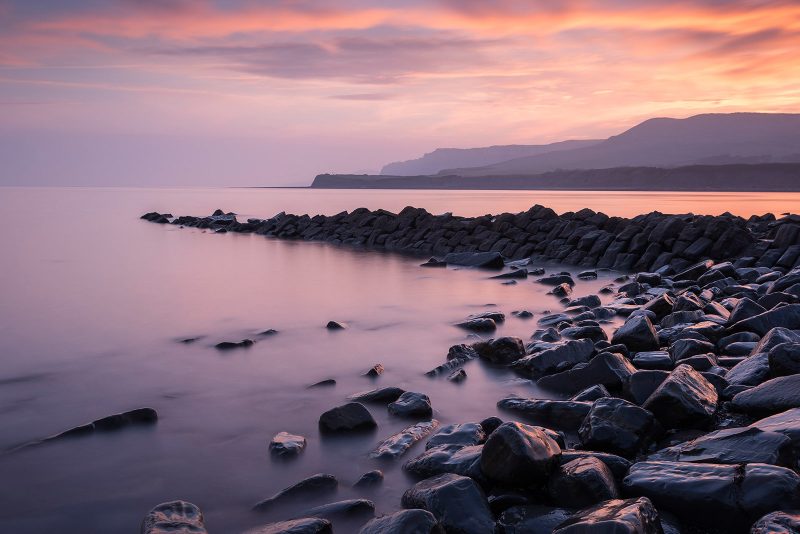
    Landscape photographers rarely need speed or require advanced AF systems or patterns. Instead, a sensor's ability to capture contrast (dynamic range) is a major priority in choosing a camera.

    Weather sealing is something else you really should consider prior to purchase. Cheaper cameras today still offer exceptionally high image quality – you don't have to remortgage the house anymore to buy a decent body. However, consumer cameras do obviously lack some of the build quality of higher-end models. Landscape photographers spend a large amount of time battling the elements in order to capture the most dramatic light or seasonal conditions. If you want a camera that can cope with extremes and is able to deal with wet weather or sea-spray, be prepared to spend a little more to get a model that is adequately protected.

    Digital SLR Cameras

    Digital SLRs remain the most popular camera for landscape photography – they are versatile and offer the best ergonomics. SLRs have a mechanical mirror system and pentaprism designed to direct light from the lens to an optical viewfinder. When you trigger the shutter, the mirror assembly swings upward, the aperture narrows to the f-stop selected, and the shutter opens to allow sufficient light to pass through the lens and expose the sensor.

    The whole process can take just a fraction of a second, and some models are remarkably fast, with the ability to capture 13 or 14 frames per second (fps). However, speed is not normally a key selling point for landscape photographers. When shooting a scene, it is rare to want to shoot a long continuous burst, while shutter length is often slow due to the selection of smaller apertures to generate front-to-back sharpness. Digital SLRs are highly customisable, being compatible with a vast range of interchangeable lenses, filters and accessories. This provides them with almost endless creative potential.
    best camera for landscape photography

    best camera for landscape photography

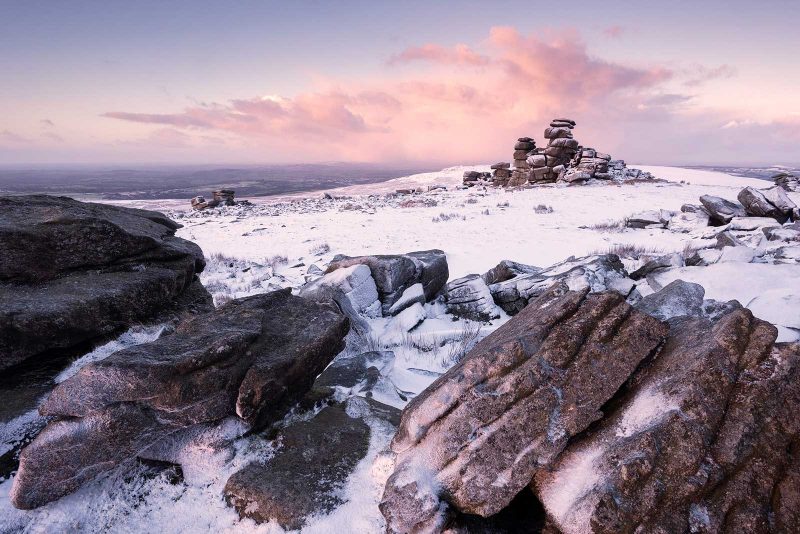
    Landscape photographers require a camera that is weather sealed and capable of withstanding weather extremes. Sensor Size

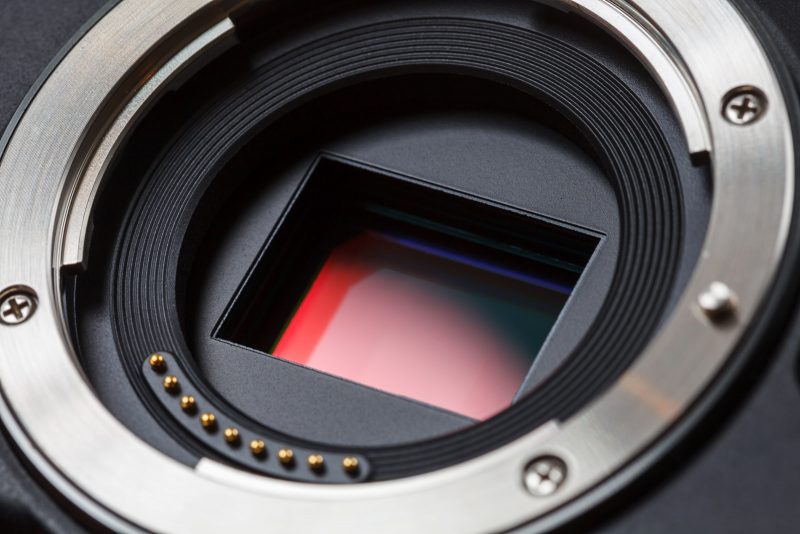
    Digital SLRs tend to have either full-frame or cropped sensor types. This refers to the actual size of the sensor. Full-frame models employ a chip that is approximately the same size as a traditional 35mm film frame (36mm x 24mm), while cropped digital SLRs adopt a smaller sensor – typically in the region of 25.1 x 16.7mm.

    The smaller size of a cropped sensor effectively multiplies the focal length of the lens. This multiplication factor can range from 1.3x to 1.6x depending on the manufacturer and chip size and needs to be applied to calculate the camera's 35mm equivalent focal length. For example, a 24mm wide-angle effectively becomes 36mm when attached to a cropped type SLR with a 1.5x multiplication factor. To achieve the exact same wide-angle characteristics and field of view of 24mm on a crop camera, you would need to attach a 16mm lens instead. Most camera brands have a lens range designed for cropped type SLRs, such as Canon's EF-S and Nikon's DX lens ranges.
    best landscape photography camera

    best landscape photography camera

    Further Reading: The Difference Between Full Frame & Crop Sensors

    Generally speaking, the larger the sensor, the better the image quality. Typically – though not always – full-frame sensors boast better dynamic range, cleaner shadow detail, lower noise and enhanced tonal transitions. Also, while the crop factor can be advantageous to wildlife photographers shooting subjects further away, landscape photographers wish to retain the characteristics and large field of view of traditional wide-angle lenses.

    Mirrorless Cameras

    An increasing number of landscape enthusiasts are now favouring mirrorless cameras. Fuji, Olympus, and Sony have led the mirrorless revolution, producing a range of innovative mirrorless models that rival the quality and versatility of a traditional SLR.

    As the name suggests, their design discards the (arguably) outdated and bulky reflex mirror and prism mechanism – instead, light passes through the lens directly onto the sensor. This enables a lighter, more streamlined construction. Images are composed via either an electronic viewfinder (EVF) or LiveView on the rear LCD screen – or in some instances a supplementary optical viewfinder (similar to a rangefinder).

    Sensor size ranges greatly depending on the model, with some mirrorless cameras boasting a smaller, micro four-thirds chip (with a 2x multiplication factor), while others models are full-frame. Mirrorless users benefit from such things as focus peaking and enhanced video capability, although battery life is typically shorter than that of an SLR camera. While their quality is undoubted, arguably their biggest appeal to landscape photographers is related to size and weight. Generally speaking, they are smaller and more portable – as are compatible lenses and accessories. Weight is a big consideration for landscape enthusiasts. The best vistas are often elevated or require a lengthy walk, potentially over rough or uneven ground. The less you have to carry, the more prepared you will be to walk further and for longer in order to access the best viewpoint.

    Further Reading: DSLR or Mirrorless: What's the Difference?

    The Best Cameras for Landscape Photography

    So, having discussed some of the features to look for in a landscape camera, below you will find a handful of options that I believe are some of the best cameras for landscape photography.

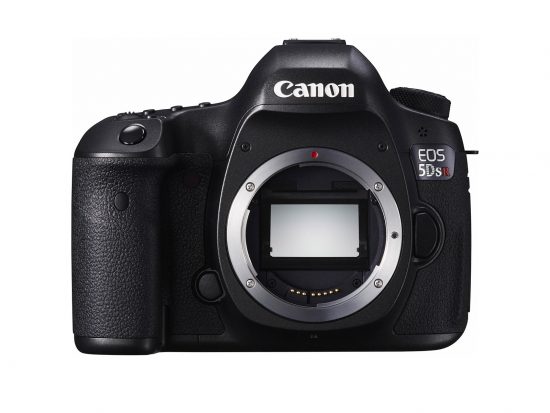
    Canon EOS 5DS R
    best camera landscape photography

    best camera landscape photography

    With a huge resolution of 50.6-megapixels, the Canon EOS 5DS R is currently the DSLR with the highest pixel count. A full-frame model, it is aimed primarily as a stills camera, lacking video-centric features like headphone sockets or HDMI output. This is a solid, professional camera with a price-tag to match. It is great performer and, if speed and video aren't a priority, this is an excellent choice.

    There is also a Canon EOS 5DS, which is designed with an optical low pass filter and is slightly cheaper as a result.

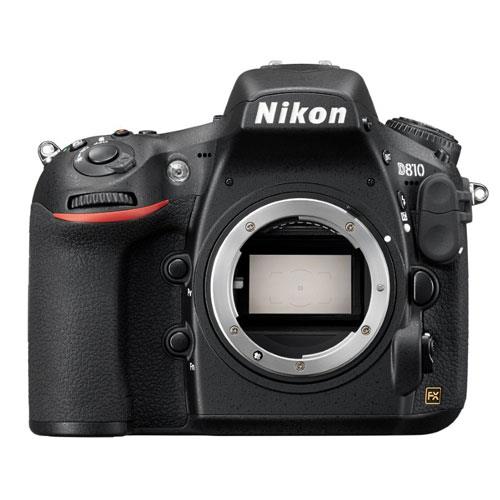
    Nikon D810
    best landscape photography camera

    best landscape photography camera

    Currently Nikon's leading full-frame camera, but soon to be superseded by the Nikon D850; this is superb camera for landscapes. With a 36.3-megapixel chip, it boasts more than enough pixels but also has excellent dynamic range, shadow detail and high ISO capabilities. It does lack an antialiasing filter for optimum in-camera sharpness, but battery life and LiveView are improved, compared to older models. The Nikon D750 is an excellent cheaper alternative.

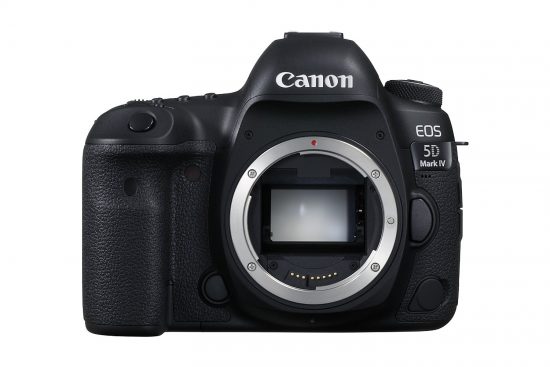
    Canon 5D Mk IV
    best landscape photography camera choice

    best landscape photography camera choice

    Another excellent full-frame camera with a more than adequate resolution of 30.4-megapixels. It also boasts 4k video capture and a fast burst rate of 7fps among its specification – this is a top performer and a very good all-round model. However, it is more costly than the Nikon D810 and not generally considered to represent the best value for money.

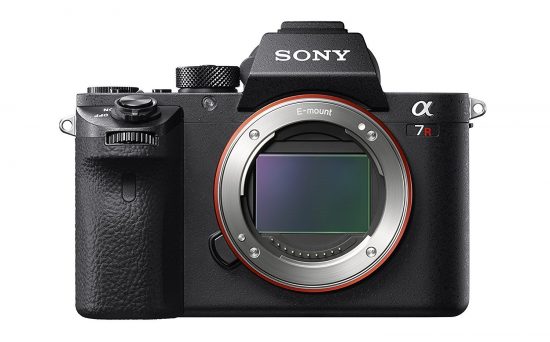
    Sony a7R II
    best landscape photography camera

    best landscape photography camera

    Landscape enthusiasts will find the Sony a7R II hard to ignore. This is a full-frame mirrorless camera with 42.4 megapixels. It has a back illuminated image sensor, 4K video, built-in image stabilization and improved low light performance.

    Sony cameras are often considered fiddly to operate, but this model comes with improved ergonomics and handling. It is well weather sealed as well. A good number of professionals have already made the switch.

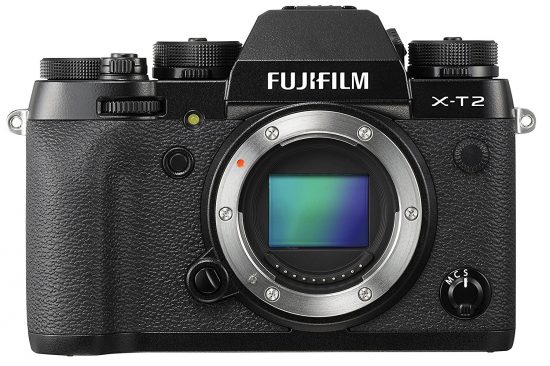
    Fujifilm X-T2
    fujifilm best landscape camera

    fujifilm best landscape camera

    Fujifilm mirrorless cameras have become a big favourite among landscape photographers. They are fun to use, handle well, provide great image quality and – crucially – are comparably lightweight. They have great colour rendition and dynamic range. Oh, and they look great too!

    The Fujifilm X-T2 has a resolution of 24.3-megapixels (APS-C size sensor), offers 4K video capture, and has an array of useful features.

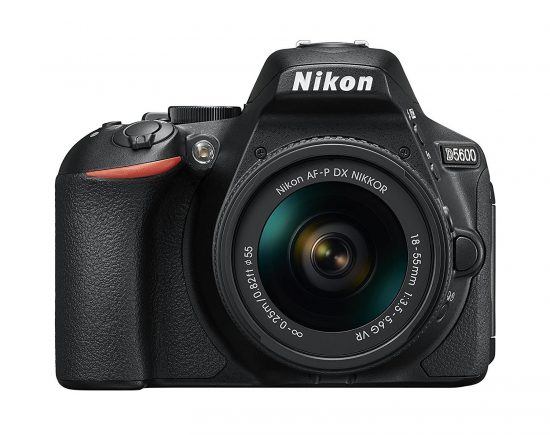
    Best Budget Landscape Photography Camera Nikon D5600
    landscape photography cameras

    landscape photography cameras

    Given its price-tag, this is a camera bursting with features. It is a cropped-type DX-Format camera with an ample resolution of 24.2-megapixels. It has a large vari-angle, touchscreen LCD, wide choice of features, and only weighs 465g. A good option when low-cost and weight are the main priorities.

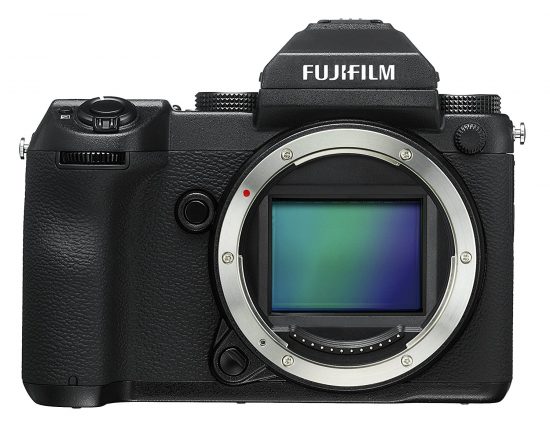
    Best 'Big Budget' Camera Fujifilm GFX
    best landscape photography camera

    best landscape photography camera

    The Fujifilm GFX is a medium format mirrorless camera, with a larger chip with a massive resolution of 51.4-megapixels. The larger sensor is able to capture more light and information, making it a great choice for landscapes. However, the camera is larger, doesn't handle quite as well as a digital SLR and currently the choice of compatible lenses is limited. Not to mention cost – this camera, with lenses, represents a big investment.

    In Conclusion

    There are lots of advantages to going mirrorless, but a digital SLR still offers the best handling. Providing your budget allows, opt for a full-frame camera for landscapes. The Canon EOS 5DR S offers the most megapixels and is an excellent choice, but the Nikon D810 is also a good choice, with great dynamic range. It will be interesting to see what the D850 offers when it is launched – as it has the potential to be the best option yet.


    Source: What's the Best Camera for Landscape Photography?

    Saturday, 19 August 2017

    The Best Cameras to Take Traveling

    Trust us when we say that once you've slept off the jet lag and finally unpacked your suitcase, you're going to wish you had more than Snapchat screenshots to remember your vacation by. But diving into the world of cameras beyond the one in your iPhone can involve a rabbit hole of Google searches, confusing terms and the decision of whether it's worth buying a camera that will set you back a month's worth of rent.

    So if you need help choosing one for your next adventure, here's your guide to five of the most popular camera styles out there best suited for your next trip around the world.

    ① Action Cameras

    Synonymous with selfie sticks and full-time YouTubers, these rugged, ultra-compact cameras have a lot to like. For more adventurous (and er, clumsy) travelers, they're built to survive a prolonged swim in the ocean, as well as a drop or two during a hike up Machu Picchu. Their pocketability is also hard to beat. 

    With a camera this small, there are a few downsides though, including a short battery life and lack of adjustable settings. But let's be real: If all you're looking for is something that will make it through a drunken Barcelona bar crawl (even if you don't), you're not going to be concerned about things like aperture and shutter speed. Just don't forget to pack the selfie stick. 

    Who It's For: Adventure types who just want to record themselves cliff diving in Thailand; the clumsier among us who at most will upload photos to Facebook. (For some users, this camera is more a supplement than their sole picture-taking device.)

    ② Point and Shoot

    Cell phones may have slowly edged out the need for compact point-and-shoots (the small bricks we all had circa 2007), but they're still an excellent choice for casual photographers who want to do more than just tag Instagram friends. Though many models come with specific shooting modes (such as portrait and night-specific settings), most users will probably just stick to automatic and let the camera do all the thinking. Point-and-shoots also tend to be the least expensive option for those looking for a dedicated camera.

    While their image quality can definitely be a step up from GoPros, the picture quality from point-and-shoots is still limited by the camera's small physical size. But if the most you're doing is sending photos to Grandma and printing four-by-sixes for family photo albums, this is exactly what you need to get the job done.

    Who It's For: Casual photographers who want photo album-quality pics without having to think; budget-conscious travelers.

    ③ DSLR

    As you get more into growing your Flickr account, you might consider graduating to a DSLR (digital single lens reflex) camera. The opposite of pocket friendly, these bulky cameras carry a lot of advantages: They're able to capture more detailed images, have a robust number of adjustments and have an endless array of lenses you can swap out depending on what you're shooting, whether it's landscapes of Yosemite or street portraits of Hong Kong. 

    Not all of them cost four figures—Canon's entry-level option rings in at under $500 and includes a decent all-purpose lens perfect for people getting their feet wet. Though there is an automatic mode that, like point-and-shoots, does all the thinking for you, getting used to everything a DSLR has to offer can take a lot of late nights with the owner's manual before you get comfortable.  

    Who It's For: Enthusiasts who want Nat Geo-worthy shots and don't mind the extra bulk or learning curve. This is the go-to type of camera (and Father's Day gift) of serious dads the world over.

    ④ Mirrorless Cameras

    Consider this the compromise between a point-and-shoot and a DSLR. The mechanical mirror that's used in a bulky DSLR is gone, hence the mirrorless part. Expect near-equal image quality along with the same abundance of adjustments (including changeable lenses) in a still-backpack-friendly size.

    Being a relatively recent piece of technology, mirrorless cameras literally come at a cost. Aside from the price tag, being the new kid on the block also means there are a limited number of lenses and accessories to choose from.

    Who It's For: Travelers who have the cash to burn and know exactly what they want; pros tired of lugging a five-pound behemoth everywhere they go.

    ⑤ Cell Phones

    In the end, the best camera is the one you always have with you. For backpackers who don't want to be tied down by extra memory cards and chargers, cell phones surprisingly make for the best travel camera of all. An excellent number of editing apps means you can shoot, edit and upload photos long before you realize you forgot to pack a memory card for your point-and-shoot.

    Of course, camera phones have their obvious limitations (they've always been mediocre in low light, and you'll have to pay extra for apps that let you control specific camera settings), but for something you're guaranteed to have with you at all times, it can't be beat.

    Who It's For: The minimalist traveler who refuses to check a bag. In the hands of an expert, camera phones are more than capable of churning out magazine-worthy photos.

    See Our Favorite Cameras

  • GoPro HERO Session HD

    Action Camera

    A cleverly small yet durable design and an attractive price mean the Session is a good supplement to your everyday camera.

    bestbuy.com, $150

  • GoPro Hero5 Black

    Action Camera

    The ability to record videos at 4K resolution and a comforting sturdiness make the Hero5 an always-popular choice when it comes to action cameras.

    bhphotovideo.com, $399

  • Canon PowerShot SX720

    Point and Shoot

    This model's extra-long 40x optical zoom, built-in Wi-Fi and svelte size are ideal for family vacations.

    canon.com, $350

  • Olympus Tough TG-5

    Point and Shoot

    For the clumsier among us, Olympus's point-and-shoots are built to withstand whatever you throw at them (or whatever you throw them at).

    bhphotovideo.com, $449

  • Canon Rebel T6 with 18-55mm Lens

    DSLR

    For those looking to dip their toes into the world of DSLR cameras, Canon's Rebel line is an affordable option.

    canon.com, $450

  • Nikon D500 Camera with 16-80mm Lens

    DSLR

    With image quality that will impress both the hobbyists and the pros, this mid-level option is a jack-of-all-trades.

    bhphotovideo.com, $2,497

  • Panasonic Lumix Mirrorless Camera with 12-32mm Lens

    Mirrorless

    It's pricier than your normal point-and-shoot, but beautiful photos and a pocket-friendly size make this model hard to beat.

    bhphotovideo.com, $698

  • Sony A7R (Body Only)

    Mirrorless

    If you're willing to shell out the dough, Sony's highly acclaimed A7 series delivers Nat Geo-worthy photos.

    adorama.com, $1,049

  • iPhone 7 Plus 128GB

    Cell Phone

    An innovative dual-camera system gives the 7 Plus an edge when it comes to shooting portraits.

    bestbuy.com, $750

  • Google Pixel 32GB

    Cell Phone

    For Android users, the Pixel is Google's latest camera phone that's more than capable of replacing your point-and-shoot.

    amazon.com, $668


  • Source: The Best Cameras to Take Traveling