Pages

Monday, 11 December 2017

How and When I Knew that It Was Time to Upgrade Cameras and Lenses

This is the story of how I knew when it was time to upgrade cameras

I grew up in a household where unlike many others in the neighborhood, had digital point and shoots. Instead, my late and technologically inept mother kept disposable cameras close to her heart. My college graduation in 2009, my high school graduation in 2005, my birthdays–they were all caught on film that's now sadly gone due to destruction. But you see, I was the outlier. In college, I took a photojournalism course that required me to purchase a camera. My mother, always a stickler because she had to spend some sort of money, listened to the rep who made me absolutely groan at Best Buy and got an HP point and shoot. That point and shoot was "The family's" even though I was responsible for it. This is the camera that I used after moving up from, well, one of those old Razr flip phones. Do you remember those?

Eventually, I knew when I needed to move up. I needed more of a zoom range, RAW shooting abilities, flash control, better video, etc. So I eventually moved up to a Canon S5 point and shoot. It had a pretty big zoom range and looked and operated like a DSLR while giving me a flippy screen thing. It helped out a whole lot. Events around campus for the college newspaper, BTS photos of the college radio station that I ran, etc all were captured with this camera. But it wasn't a DSLR. Being the ever tenacious and ambitious journalism student, I scored a gig at PCMag. I knew I needed an upgrade, and so I got one of those Canon HV-20 camcorders that shot on HDV and mini-DV tapes. That became my video recorder which worked in conjunction with a Rode shotgun mic and the eventual Olympus E-510 DSLR that I scored. Why Olympus, you ask? My mom owned an Olympus OM70 SLR film camera. So I figured that I'd be able to use the same lenses.

Man, was I wrong… Unfortunately, not a whole lot of information was available back then in 2007/2008 about this stuff online. If I stepped onto Photo.net, I'd be blasted to death for being so young. DPReview was the same thing. And in many ways, things haven't changed.

I bought the Olympus E-510 because I needed a DSLR and it fit my budget with two lenses. The purchase was due to my listening to Gordon Laing, who loved the camera and offered as much practical advice as he could. That camera shot so many events, products, celebrities, friends, bridges at night, etc. But in 2009, the media landscape was changing and I knew it. I had to be able to record both stills and video. Plus I needed to shoot more events at night without a flash and needed better RAW files in general. Then out of the blue, Canon announced something that arguably changed the photography game into today: the Canon 5D Mk II.

I want you to imagine if you will, a time when technology was changing and shifting around. You NEED something specific, but your voice is drowned out by many others on forums who like to do nothing else but spew negativity because it just seems to be easier than encouraging others and being positive. "Why do I need video?" They used to say at PPE. And I, the 23 year old kid, would say "Because publications want you to be able to do both these days."

Want to know something? This year at PPE an older gentleman tried dominating my meeting time with a vendor and said to me "You know they seem to be treating you like you're important. But you don't look important." Apparently, as much as some things change, others stay the same.
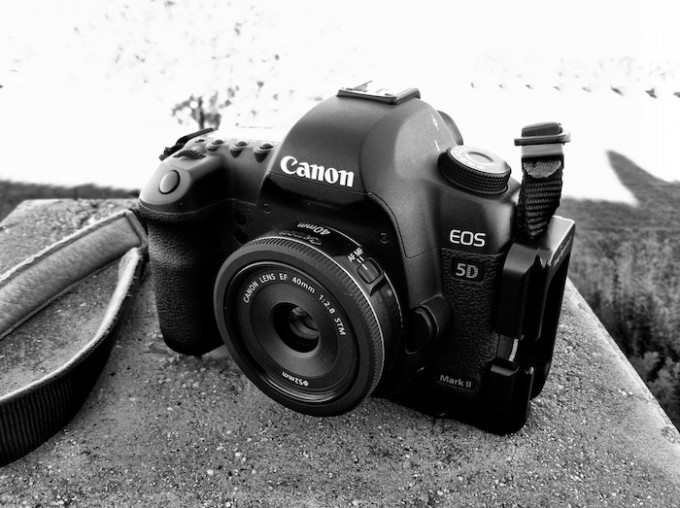
The Canon 5D Mk II opened the floodgates for me. For once, I could shoot video and photos with the same camera. I could use my 24-105mm f4 L IS, 50mm f1.8, and others to get the images and videos that I wanted. The Canon 5D Mk II would go on to become my workhorse camera for years. It shot video, product photos, sample images, etc. At this point, I didn't need a new camera–I needed new lenses. So I looked into primes: the 85mm f1.8 USM, 35mm f1.4 L, flashes, etc. Then I started shooting film with the same camera system. It was magical in the same way that it was for me today. Weddings and events required me to have two cameras, so when Canon announced the 7D, those two cameras became my bread and butter.

When I joined B&H Photo Video, they always wanted to use my camera. In fact, when a member of the video team came over the first thing that I knew they were going to say was "Can we borrow your 5D?" Then I stopped using my own gear on the company's time after some advice. So my gear was again relegated to weddings, portraits, events, and running the Phoblographer. Things were good until I knew I needed new lights. So a company by the name of Phottix came around and invented the Odin system. When used in conjunction with my Canon flashes, they grew and my own photography grew. It was wonderful being able to create, place and shape my own lighting. It was a creative effort and truly liberating! Of course, I couldn't do this at concerts but it worked still!

That love for lighting grew into buying a Paul C Buff Einstein E640; which was eventually given away to a friend who needed it. Yes, given away. I've realized that I'm typically pretty lucky and so passing that luck on to others has always just seemed to be the fair thing to do. You know, paying it forward. No one was really there to pay it forward for me when I was cutting my teeth in this industry. Between getting yelled at by older photographers and editors, it wasn't easy.
Olympus Pen F and Voigtlander 17.5mm f0.95

Phoblographer started to grow and I realized before many of the manufacturers that mirrorless was becoming a big thing. Taking a step forward ahead of the curve, I went ahead and bought an Olympus Pen EP-2. I loved that sensor, it had a LiveMOS CCD sensor that gave off this gorgeous look. It was made by Kodak. Then when I combined that with the Voigtlander 17.5mm f0.95 lens, everything was nearly perfect. It was a fantastic camera to throw in a bag and go ahead with my day. Then Fujifilm became a thing in my life with the X Pro 1. And then Nikon with the D5100. Nikon got sold off and eventually Olympus did too, but Fujifilm and Canon remained a constant until I realized that I needed weather sealing. So when the Olympus OMD EM5 was put to the test, I was immediately smitten because I then had something that was lightweight and weather sealed. Was it my Canon DSLRs? No, but it worked for sure.

So why did I buy all these cameras? Well, when you run a photography publication, you often have to coordinate reviews. For example, if a Sigma lens came in, I'd need to ask a manufacturer for a body. It becomes tedious, so it just made more sense to buy a few bodies instead. Fujifilm was at first a peer pressure thing. At B&H Photo, we got a 50% employee discount and so that and the 35mm f1.4 were in my kit. They proved to be great as a kit, as I still use them even today.

The Canon 7D eventually became a camera that I didn't really need any more due to the fact that I just didn't use it. So it got sold off along with my old Canon magic drainpipe 80-200mm f2.8 L lens. As life went on, I continued to pair things down to what I really needed and nothing more. But those needs were still fairly big.

Eventually, Sigma came to the fore with their Global Vision program and I switched all my Canon lenses over to Sigma due to the quality at a lower cost. What I started to see more and more is that I was moving away from Canon. The only thing that I really owned from them was the Canon 5D Mk II. When that camera died, I moved onto the Canon 6D due to cost and the WiFi feature being added in. This is all around 2011/2012; when I really started to move away from DSLRs even more.

Sony introduced the Sony a7–which for me made so much sense. I eventually caved and bought that with a 35mm f2.8. Now, I own around five lenses for the system that I've acquired and purchased in the past few years. But since then, I've only updated my flashes or gotten my hands on more film cameras. A full frame mirrorless camera helped with my production for the website in addition to my failing eyesight. Canon's viewfinders just never cut it for me. But a brand new EVF? Oh yeah.

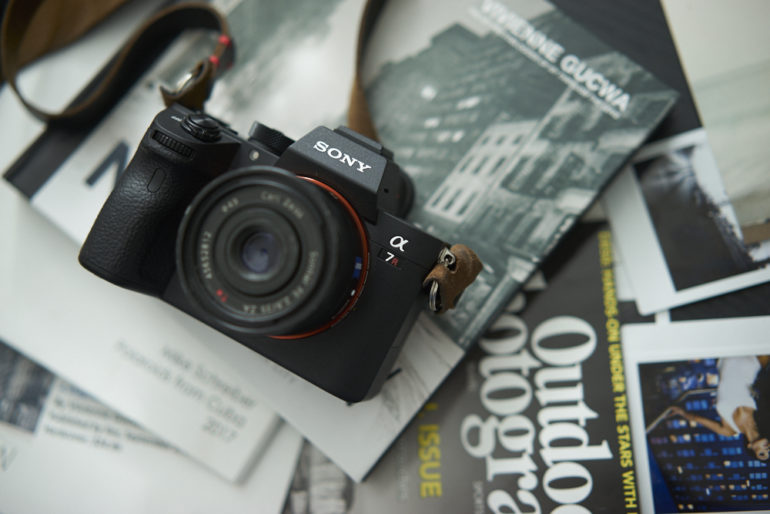
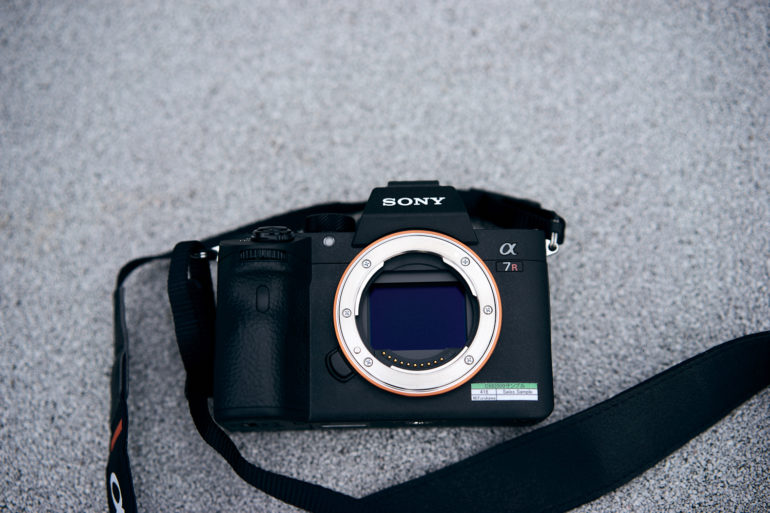
Since then I haven't upgraded, but I will be purchasing the Sony a7r III soon as I know that the quality and feature set is just what I need in order to move forward. I mean 4K video, the color rendition abilities, high ISO output, autofocus, weather sealing, etc. Why would I not upgrade?

What's the point of this story? I've always upgraded only when I knew that I needed to. The industry that I am in sort of dictated it as did my workflow. Lots of flashes? Oh yeah, I need them to create my own vision for a photo. Lenses? Of course! But my new workhorse camera will be the Sony a7r III. That doesn't mean that the Canon 6D and Fujifilm X Pro 1 are bad cameras at all. It just means that that is what will help me continue to make this website better.


Source: How and When I Knew that It Was Time to Upgrade Cameras and Lenses

Sunday, 10 December 2017

The 5 Best Digital Cameras of 2017

Camera manufacturers have made some pretty huge strides in the past year. New models provide faster shooting for intense action, improved stabilization, crazy-good low-light performance, ultra-responsive autofocusing, smartphone-like interfaces, and better and faster in-camera image processing. Our favorite cameras of the year won't just make everything you shoot look better, they'll make you look better, too. Here are five models that serious shooters should seriously consider.

Sony A7RIII

Thanks to its incredible sensor and the roster of benefits that come with mirrorless cameras, this model's predecessor — the A7RII — set a new standard for professional full-frame systems. Now the Mark III is here to further leave the competition in the dust.

Who's it for: The camera is meant to be a more versatile offering than the recently introduced A9, which is oriented toward sports shooting, and it brings a host of new features that will be craved by landscape, portrait, and studio photographers, and pretty much everyone else, too.

The good: The new model improves on the Mark II's autofocus speed, in-camera stabilization, and image processing from the 42 megapixel sensor while adding a larger battery, a second memory-card slot, 10 frame-per-second shooting, a rear joystick for easier tuning of settings while shooting, and a flicker-free view through the electronic viewfinder while shooting at high speed. It also has something called Pixel Shift Multi Shooting, an optional mode in which the camera moves the sensor in one-pixel increments to capture four separate RAW images for each shot, totaling 169 million pixels. You can then combine the images into a single frame with "overwhelming" resolution and color fidelity.

Watch out for: The small-body blessing can be a big-lens curse — the camera remains unwieldy and uncomfortable while shooting with large glass. So you might find yourself included to use the optional battery grip, which makes it heavier, or reprogramming your shooting style to accommodate the balance.

Pro tip: As with any mirrorless camera, the sensor is prone to collecting dust that shows up on your images, so always carry a bulb blower with you (don't use cans of compressed air, which can coat your sensor with chemicals) and try to avoid swapping lenses in windy outdoor environments.

What others are saying:• "Sony's camera technology has been advancing at an incredible rate in recent years, and the A7R Mark III is an impressive example of them leveraging advances made in one model to extend the life of other bits of their technology. In this case, they took what was already one of the best sensors on the market, combined it with advanced processor from the fastest full-frame camera (the Sony A9) to produce a new hybrid simultaneously having very high resolution and very high performance, particularly in its autofocus system." — Dave Etchells, Imaging Resource

• "The Sony Alpha A7r Mark III is a highly versatile full-frame camera that can record detailed 42 Megapixel photos, film high quality 4k video, and handle itself respectably for sports with decent autofocus and 10fps bursts." — Gordon Laing, Camera Labs

Camera type: Interchangeable-lens digital cameraSensor: 42.4 megapixel 35mm full-frame Exmor R CMOS sensorLens mount: E-mountOther features: 10 fps continuous shooting speeds with full autofocus and autoexposure tracking, 4K video capture Nikon D850

As much as we love mirrorless cameras, there something equally great about tough, reliable full-frame DSLR. The Nikon D850 is easily the best yet, combing two usually mutually exclusive qualities — high frame rate and high megapixels—into a robust, weather-sealed package that you can take up the mountain or across the desert with few worries.

Who's it for: Shooters who want a lot of the pro-grade features of the pricier and bulkier D5 but don't want to carry a cinder block of a camera around. Also great for lens fanatics who want to tap Nikon's vast collection of glass options for its full-frame lineup, meaning you'll always be able to dial your shooting in exactly as you want it. Finally, it's great for people who crave the benefits of high-megapixel shooting. These include increased flexibility while editing and the ability to easily crop out portrait-format images from landscape shots without compromising image quality.

The good: The camera offers a 45-megapixel sensor and up to 9 frames per second, along with a 153-point autofocus system and a tilting rear touchscreen LCD. It has a few magic tricks in there, too, including 4K timelapse assembled in-camera and 8K time-lapse capability with additional processing, as well as a focus-stacking feature that permits extraordinary sharpness in a wide variety of conditions.

Watch out for: The Snapbridge app tool for transferring images from camera to smartphone via wi-fi or Bluetooth remains an awkward proposition, requiring a degree of attentiveness during the process that can slow you down when trying to post images on the go.

Pro tip: Many photographers dismiss high-megapixel cameras as unnecessary, but they aren't just for making billboard-size prints. So take advantage of those megapixels! Shoot with the highest quality glass you can afford so that the sharpness and resolution match the capabilities of the sensor, and fine-tune your image while editing by cropping in for a "freebie zoom" effect or even hunting new compositions that are different from your original shot. High megapixel sensors essentially mean you can get two shots in one, and you'll quickly learn to incorporate that thinking into your actual shooting.

What others are saying:• "Based on our extensive research, the Nikon D850 is a very solid and impressive tool that can satisfy any photography need. Without a doubt, it is Nikon's most technologically advanced camera to date." — Nasim Mansurov, Photography Life

• "The D850 is the best camera I've ever owned. Period. It offers resolution, speed, power, focusing, ergonomics, high ISO performance, build and more. No other DSLR comes even close to offering such a complete, flexible and all round package. Whilst the D810 was my favorite camera, the D850 is my dream camera, exceeding my expectations and then some. It combines the very best parts of Nikon's best cameras." — Richard Peters, Richard Peters Photography

Camera type: Single-lens reflex digital cameraSensor: 45.7 megapixel BSI CMOS sensor (backside-illuminated, a first for Nikon DSLRs)Lens mount: Nikon F bayonet mountOther features: 153-point autofocus system, 4K video capture at 30/24 fps, 1080p video capture at up to 120 fps, 3.2-inch tilting touchscreen FujiFilm X-T2

Okay, maybe you can have it all in a mirrorless camera, after all—performance and durability. The new X-T2 is turning heads for its one-size-fits-all appeal, its economy of both design and price, and it's ultimate image quality.

Who's it for: Economy-minded photo enthusiasts. At $1,600, the camera is also refreshingly affordable in this day and age when $3,000 seems to be the default entry point for quality camera bodies.

The good: The X-T2 is weather-sealed for intense field action, provides up to 11 fps shooting, and has 325 total autofocus points. It doesn't have quite the megapixel offering of other models, at 24, but that may not matter to you — especially when you peep those pixels. The camera's initial image quality is sensational, meaning it's versatile and you'll be able to share photos fast and with little fuss. Rugged, prominent controls and dual memory slots make it an avid shooter's dream.

Watch out for: Though good in low light, there are some gotchas, including often slow focus-acquisition, and it's known for occasionally rendering unnatural-looking JPGs when shooting high-ISO. So always shoot RAW as well as JPG!

Pro tip: Use the dual-memory-card slots smartly — as direct carbon-copies of each other. This will guarantee that if you lose a card or one fails, which does still happen, you won't lose anything.

What others are saying:• "With a brilliant new AF system, lovely handling and an updated sensor that delivers pin-sharp images, the X-T2 has to be one of the most desirable cameras available right now." — Phil Hall, TechRadar

• "No, this camera was designed for wedding photographers, street togs, and travel shooters — genres where great AF speed and a high frame rate will frequently help you nail the shot, where you might want to shoot from the hip, where a Canon 1DX might honestly be considered 'overkill.'" — DL Cade, PetaPixel

Camera type: MirrorlessSensor: 24-megapixel X-Trans CMOS III sensorLens mount: Fujifilm X-mountOther features: 325 total autofocus system, 1/8000 mechanical shutter speed, 4K video capture, optional Vertical Power Booster Grip Canon EOS M100

Compact cameras are not giving up the ghost to smartphones without a fight, and the M100 packs a pretty serious punch—both in the body itself and in the range of lens options at your disposal.

Who's it for: The entry-level interchangeable-lens mirrorless camera is designed to be a step-up for enthusiast smartphone shooters, and it offers a lot for those embracing that transition.

The good: The M100 has quick wi-fi and NFC image transfer capability for fast posting on social media, a 3-inch tilting LCD that will appeal to the vlogging crowd who like to flip the camera around to shoot themselves, and smartphone-like interfaces that are smooth and intuitive. Image quality from the 24-megapixel sensor is also great, with both manual controls and an auto mode that won't embarrass you or come up short in the heat of the moment.

Watch out for: No 4K video. When every smartphone now offers 4K shooting, it will likely be the sole disappointment for users who want everything to be a step up from smartphones.

Pro tip: The built-in flash will be a big improvement over smartphone flashes, for sure, but practice with it before actually relying on it. Small flashes may be great in certain scenarios, but you need to know their absolute limits of practical usefulness. A small group of people? Great! A big room? You'll likely get diminishing returns and only partial illumination.

What others are saying:• "The EOS M100 succeeds in an area where many others fail: It's a fun camera to use. Auto mode works great for casual snapshots, there's an abundance of fun creative modes to play around with, and taking manual control over the M100 works more smoothly than the single control dial would suggest. It proves itself to be a great option for the novice photographer while still allowing room to grow." — Carey Rose, Digital Photography Review

• "It's been said that "Good things come in small packages" and this camera embodies that statement. Canon's EOS M-series cameras, squeezing large APS-C sensors into tiny bodies, represent a maximization of image quality relative to camera size and weight. While initially these models achieved DSLR-grade image quality, they sacrificed performance in some regards." — Bryan Carnathan, The Digital-Picture.com

Camera type: Digital single-lens non-reflex AF/AE cameraSensor: 24.4-megapixel CMOS sensorLens mount: Canon EF-M mountOther features: 49-point autofocus system, tilting LCD display Hasselblad X1D-50c

Pricey? Yes. Absolutely amazing? That, too. Hasselblad's newest mirrorless medium-format camera features a Sony-sourced 50 megapixel sensor that just scored the highest mark of any current camera from sensor-ranking company DxOMark.

Who's it for: Fine-art photographers, landscape shooters, portrait-makers—but not really those looking to capture, edit, and post sports or action shots in a hurry. The camera is for people who like to take their time with things.

The good: The overall image quality is astounding, but the low-light shooting is where this camera truly sets itself apart. It doesn't hurt that the camera is also a looker itself, with a sleek, minimalist, two-tone design that's a refreshing departure from the standard black-box camera body.

Watch out for: Folding Hasselblad into your shooting is as much a marriage as it is a purchase, given the equally high cost of the proprietary lens offerings in addition to the body, but once you're there the results will absolutely make you forget the cost. (Still, ouch!)

Pro tip: To borrow a term from car racing — use all the of the track! Hasselblad's medium-format sensor provides the extra real estate for your shooting, so pay attention to composition and work on filling the frame in ways you may not with conventional-format cameras.

Read the review, here.

What others are saying:• "The Hasselblad X1D represents a new direction for the company, and while some aspects of the camera leave room for improvement, it is nevertheless an impressive machine. It does a commendable job of combining medium-format image quality and leaf shutter flexibility in a portable (and relatively affordable) package. It would make a great second camera for a high-end studio photographer, or a good first medium-format camera for someone who has been waiting for the right time to jump into the game. " — Daven Mathies, Digital Trends

• "Being the world's first medium format mirrorless camera, the Hasselblad X1D-50c certainly grabbed the attention of many serious photographers interested in moving up from a full-frame system. Its beautiful design, impressively compact size, solid lightweight construction, accurate autofocus, superb image quality and dynamic range are certainly worth the high praises. However, that's where all the good ends. The camera is plagued with all kinds of annoying lags and bugs, slow start up time, and battery life is nothing to be proud of either. " — Nasim Mansurov, Photography Life

Camera type: Mirrorless, medium formatSensor: 50 megapixel CMOS sensorLens mount: Hasselblad XCD lens systemOther features: HD video capture at 25 fps, built-in wi-fi, USB 3.0 Type C connector Leica CL Review: The Newest Leica Is a Camera for the Nerds (in a Good Way)

The photo press whined and Leica listened, transplanting the guts from the TL2 into a body with far more buttons. But is it an improvement? Read the Story


Source: The 5 Best Digital Cameras of 2017

Friday, 8 December 2017

Save £49 On The Canon EOS M6 Mirrorless Camera

Save £49 On The Canon EOS M6 Mirrorless Camera - The Canon EOS M6 camera is currently £49 cheaper than it was yesterday over on Amazon.

Posted : 7 Dec 2017 9:30AM by ePHOTOzine 

 Add Comment

DILC1 Black (3) 

You can currently save £49.01 on the Canon EOS M6 mirrorless interchangeable lens camera over on Amazon UK.

This saving is in comparison to yesterday's prices so you need to be quick if you want to purchase the Canon mirrorless camera at its current price as there's not many left in stock. 

The M6 features a 24mp APS-C CMOS sensor, a 3inch tilting touch-screen, FullHD video recording at 60p, plus built-in Wi-Fi, NFC, and Bluetooth. It scored 4 out of 5 stars in our review so is a worthy consideration if you're thinking of purchasing someone a mirrorless camera for Christmas. 

For more mirrorless camera suggestions, have a look at our '10 Best Entry Level Mirrorless Compact System Cameras ' list or our '15 Best Premium Compact System Cameras' list if you have a bit more cash to spend. 

You can also find more photography themed deals over on our 'Best Photography Deals' page where you will find the best price drops, and the best deals on photography equipment, from Amazon UK. To find the best deals, we use a price tracking system that collects prices daily in the early hours of the morning so there is a chance that prices may change or products become out of stock. 

Buy The Canon EOS M6


Source: Save £49 On The Canon EOS M6 Mirrorless Camera

Thursday, 7 December 2017

Review: Sony a7r III (The Camera So Many of Us Have Been Waiting For)

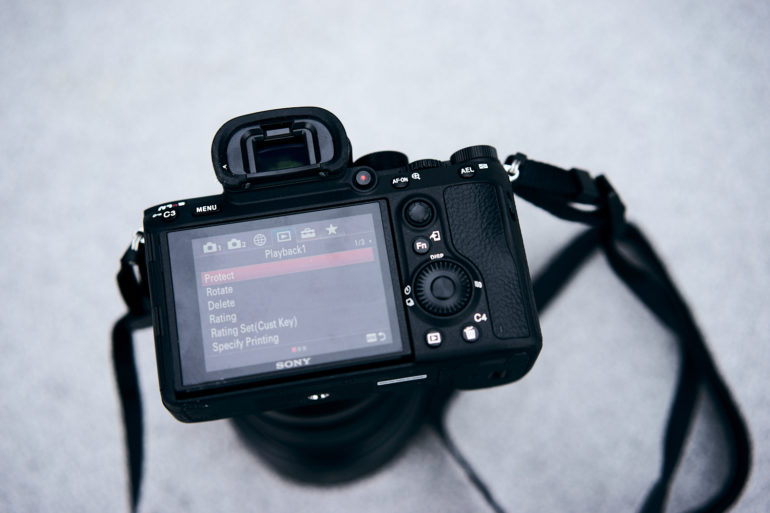
The Sony a7r III is one of the most perfect Sony cameras to date.

I used to borrow a joke from my buddy David Schloss that Sony got things 80% right 100% of the time; but with the new Sony a7r III I genuinely feel like they've done a significantly better job than that. Based on just the specs alone, I had to buy the Sony a7r III from Adorama. When the camera actually got into my hands, I was even more amazed at how great it is. Sony's cameras have been continually improved over and over again and for the first time, a studio photographer has access to almost everything that they could possibly need with a Sony mirrorless camera. Not only do to have a fantastic 42MP full frame sensor with 15 stops of dynamic range at lower ISO settings, but you've got pretty decent autofocus performance, WiFi, weather sealing, better battery life, and that joystick that we've been begging for for years now. When you combine this with the fantastic support from Profoto, Godox, and Flashpoint amongst others in the flash system world, then you've got a gen uinely complete system with a massive selection of lenses.

Pros and Cons

Pros
  • Weather sealing
  • Lots of RAW file versatility
  • Sony a9's autofocus
  • Nice ergonomics
  • New battery makes shooting with it for prolonged periods of time so much better
  • RAW files work fantastic with Capture One
  • Touch screen capabilities for shooting
  • Fast shooting capabilities
  • Silent shooting abiliites
  • Cons
  • No one is going to actually use the Pixel Shift imaging mode because it's so complicated to work with and few people want to use Sony's own software
  • I'd love a top LCD screen
  • I'd love to navigate the menus with the Touchscreen capabilities
  • Sony got rid of the PlayMemories apps and therefore all abilities to do more with the cameras such as the touchless shutter. It absolutely baffles me as to why Sony doesn't just put all that stuff into the cameras.
  • Wireless flash capabilities need to be enabled via the menu in order to use them
  • Gear Used

    We tested the Sony a7r III with the 24-105mm f4 G OSS, 55mm f1.8, 32mm f2.8 Zeiss, 70-200mm f2.8 G Master, 24-70mm f2.8 G Master, 16-35mm f2.8 G Master, and the Profoto A1.

    Tech Specs

    Tech specs for the Sony a7r III taken from the Adorama listing, where you can find even more.

  • 35mm Full-Frame 42.4 MP Back-Illuminated Exmor CMOS Image Sensor with Evolved Image Processing
  • Continuous Shooting at up to 10 fps
  • 399 phase-detection AF points covering 68% of image area, 425 contrast AF points
  • 5-axis optical in-body image stabilization with a 5.5 step shutter speed advantage
  • High Resolution 4K Movie Shooting with full pixel readout and no pixel binning7
  • Completely redesigned for professionals
  • Compact, Lightweight body at only 23 oz
  • Body Only
  • 5-Axis Optical
  • 42 MP
  • Full Frame Camera
  • 4K
  • Built-In Viewfinder
  • Wi-Fi: Yes
  • Ergonomics

    Taken from our first impressions post

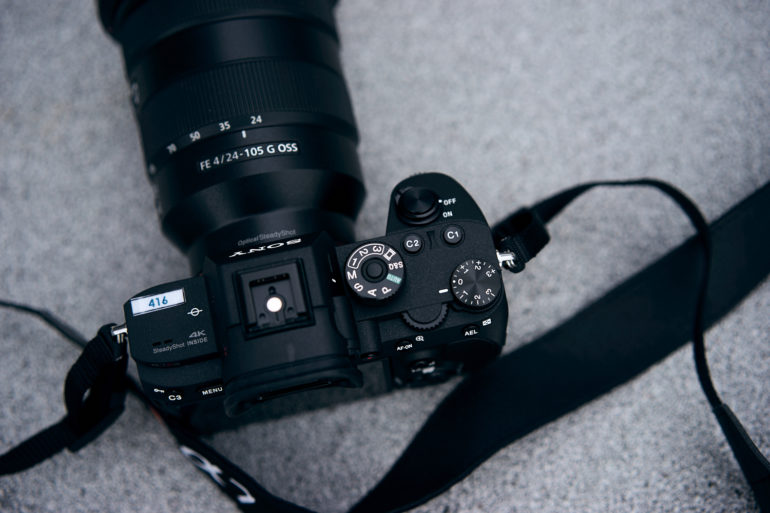
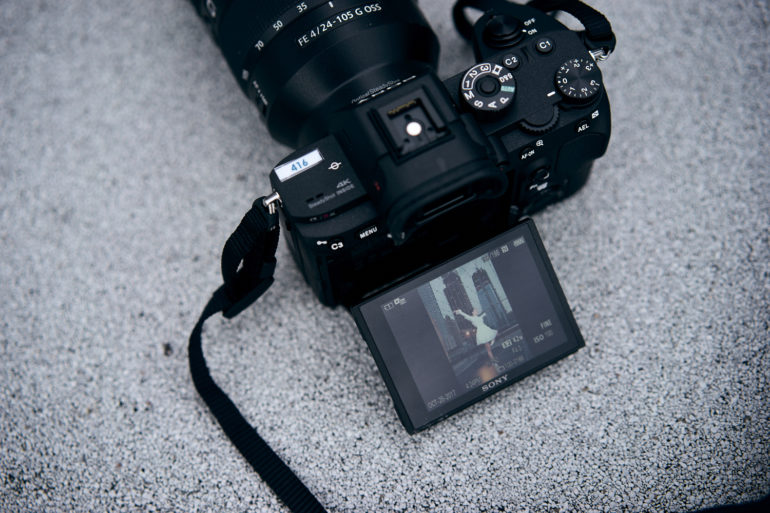
    In terms of ergonomics the A7R III looks and feels almost exactly like the A7R II and all of the other second-generation A7 series cameras do. If you are a fan of the ergonomics and feel of those cameras then the A7R III will work very nicely for you. It is comfy in the hand and has a nice weight to it with the new 24-105mm F4 G OSS. The grip is a bit bigger and the addition of the joystick though is fairly significant otherwise. In addition to that, the mode dial is on the top right vs the Sony a9's top left.

    But still, if we are honest, it would be great if Sony spent some more time on designing these A7 bodies to be a little more pretty to look at. They are just so sterile. We aren't asking them to go full on Fujifilm or Olympus with an overly vintage design aesthetic, but something that looks a bit nicer than the minimalist aesthetic they have going now would be an improvement in our eyes.

    Build Quality

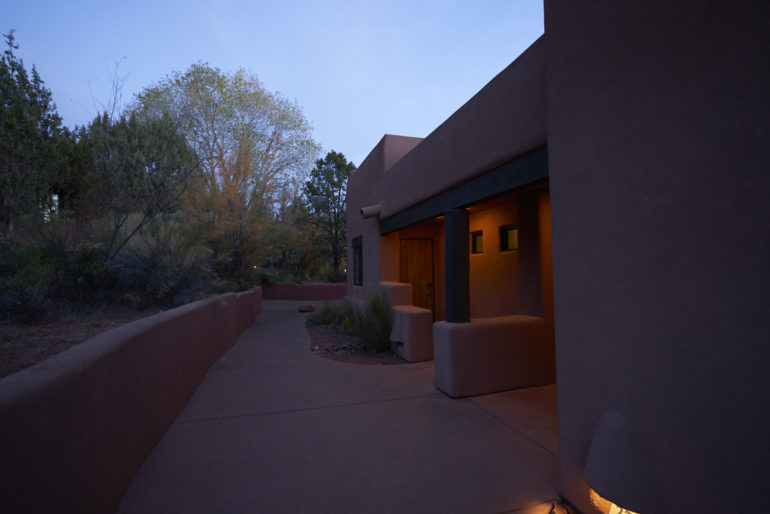
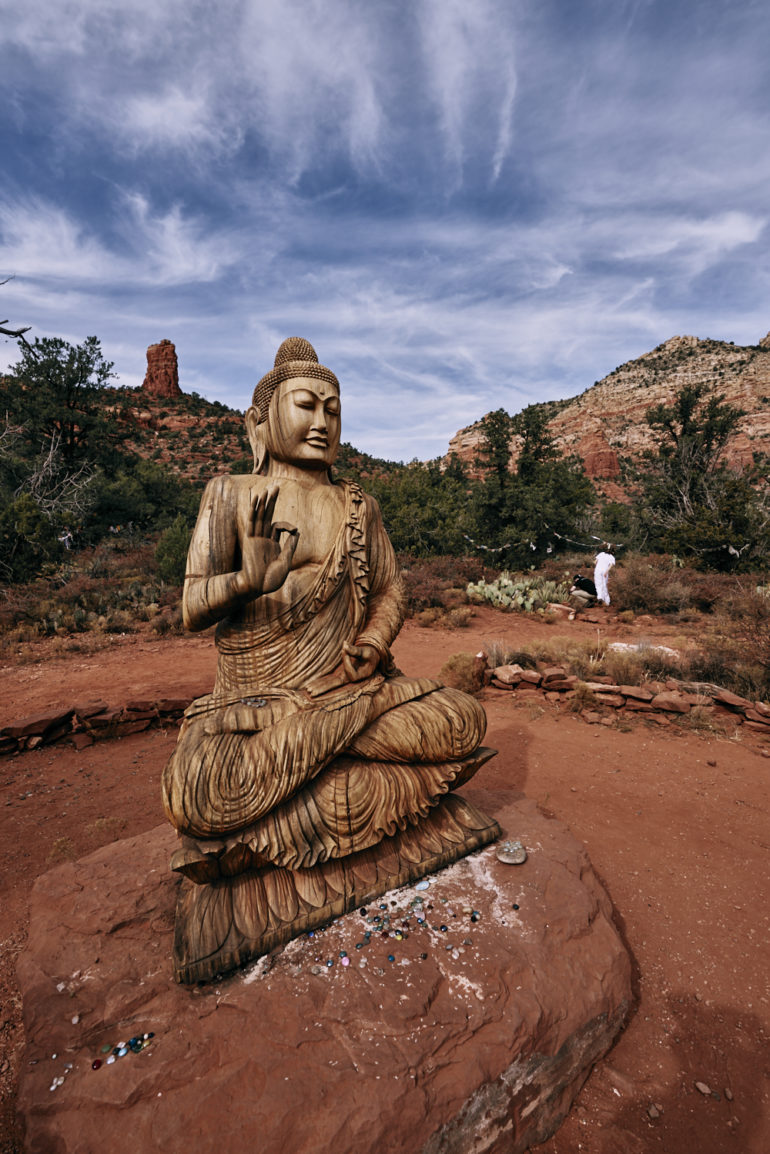
    The Sony a7r III is said to have better weather sealing that previous a7 cameras; and to be about on par with the Sony a9. For what it's worth, years ago I had a terrible accident with a Sony a7s body. Sony themselves warns against going out into very heavy rainstorms and shooting with the camera. With that said though, I surely did take it into the dust of Sedona where it operated just fine. But would I take it out into a heavy rainfall? Maybe. With that said, Sony's lenses are said to be made very rugged–especially the G Master lenses. So keep that in mind!
    Ease of Use

    When you're going through the Sony a7r III, I strongly recommend taking a lot of time and setting it up via the menu system. I strongly recommend this even for experienced Sony users. The menu system is deep and can be intimidating but if you go slow then the problems are much less. Since I spent time with the Sony a7r III beforehand I knew this going in. So when mine actually came in, I took my time to ensure that everything I wanted was there. Primarily, I like setting the back dial to ISO, the front dial to shutter, the back to aperture, setting the diopter, the movie modes, the autofocus modes, etc. Oh, and I wouldn't do anything without having a quick white balance change set up.

    What I really want to comment on though is the five axis stabilization. It's much better than before and being able to get sharp images when shooting down to 1/15th with a 55mm f1.8 is fantastic. Of course, I've been known to have better hand holding abilities than most. But I still thoroughly enjoy this process.

    Something that annoys me about the Sony a7r III is the fact that if you want to work with a flash wirelessly, you need to actually turn that setting on in the camera menus. For some odd reason, it's disabled–and that's one of the first big variants away from the Minolta flash system that is still in many ways buried inside of Sony's DNA. In my tests, I didn't see any sort of major battery performance impact whether it was turned on or not. To me, that's the only reason why I'd consider even needing to have such a menu item.

    Autofocus

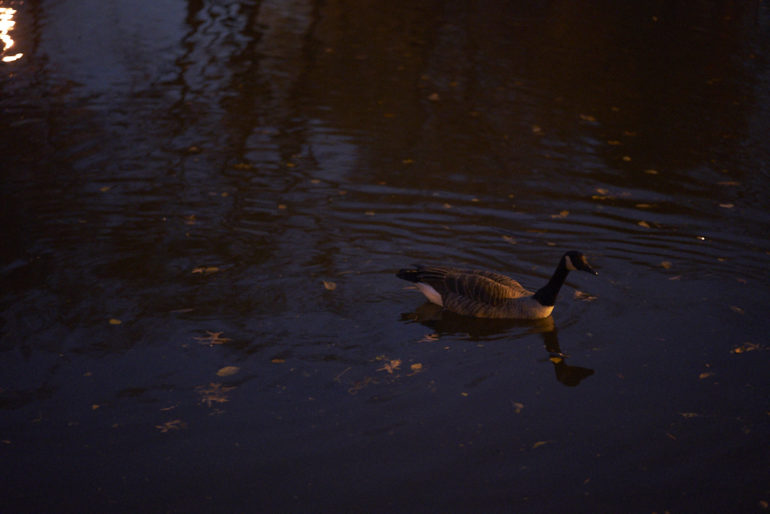
    The Sony a7r III has fantastic autofocus even in low lit situations. In Sedona, the camera almost never seemed to miss its subject. But in NYC and with independant testing, it missed a bit more than it did on the Sony press trip. Still though, the keeper rate is incredibly high overall. The Sony a8, and the Sony a7r III are both fantastic when it comes to autofocus and I feel them to be a bit better than the nikon D850. But to date, the best autofocus on any camera that I've tested is the Olympus OMD EM1 Mk II. Granted. Four Thirds sensors have much more in focus at a given aperture and even that camera tended to miss focusing on subjects at times. If you're going into the studio or doing location work with this camera though, then you've got everything that you need. If you're shooting an event in darkness, you'll be fine for the most part.

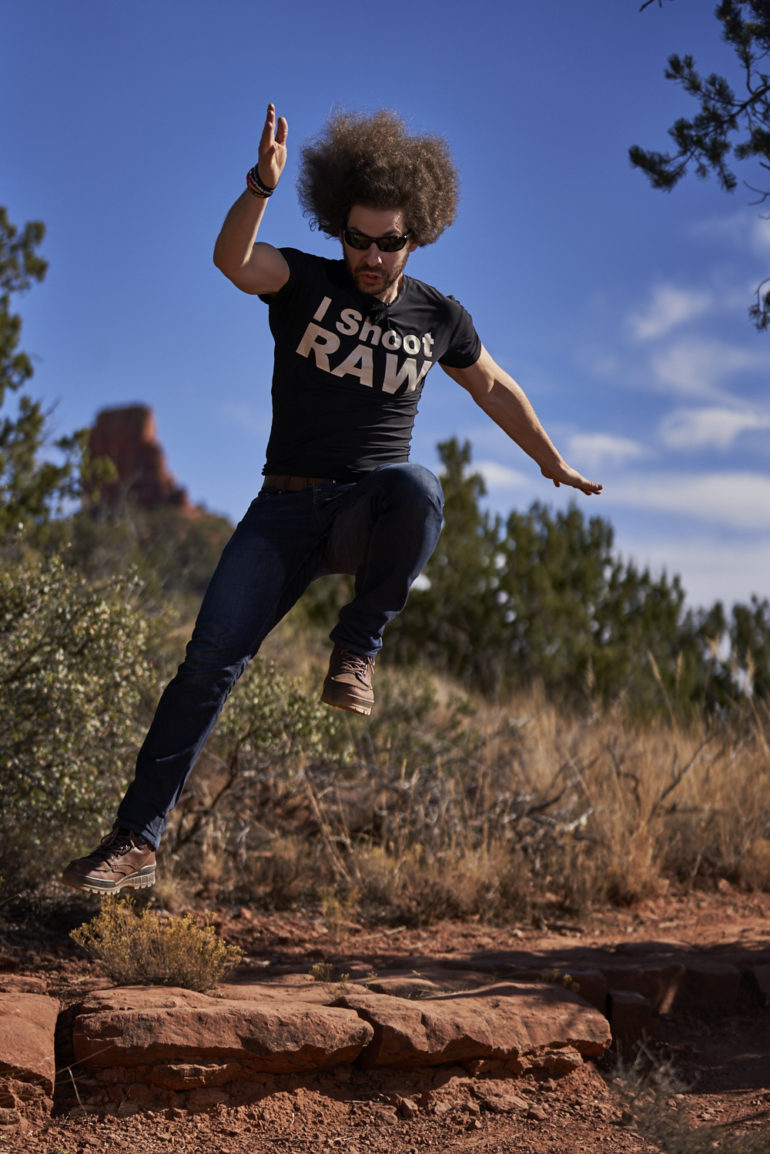
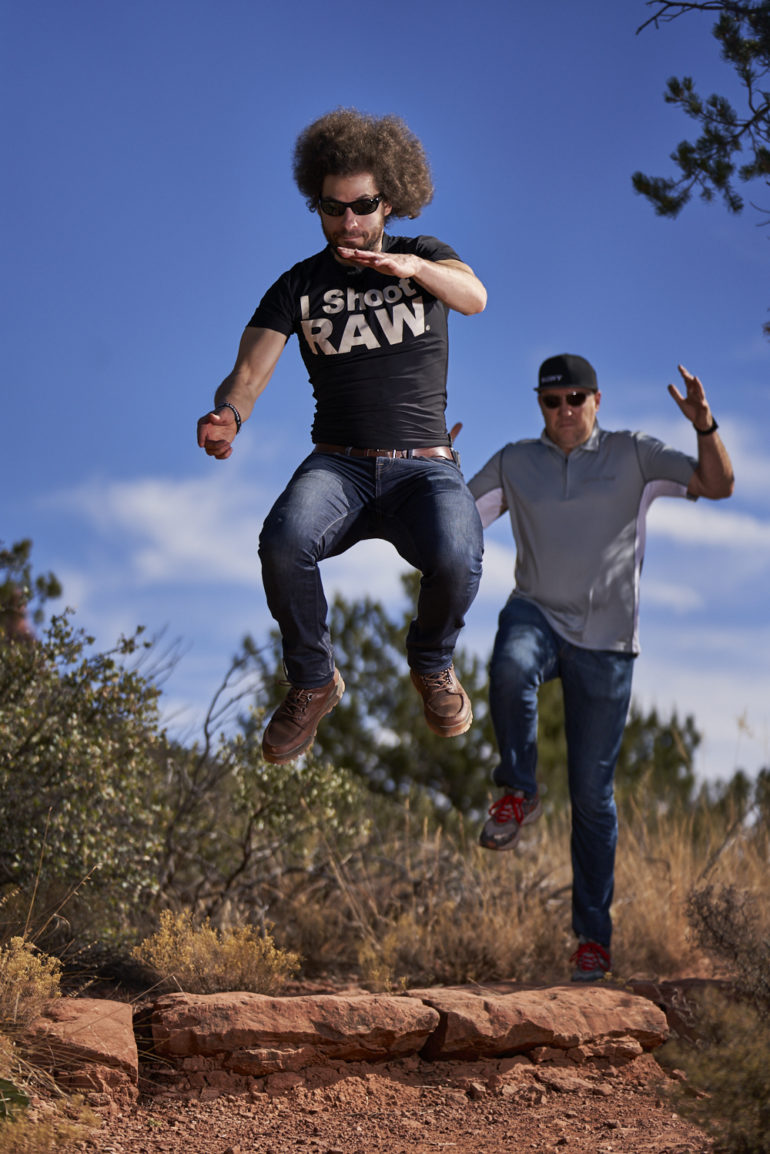
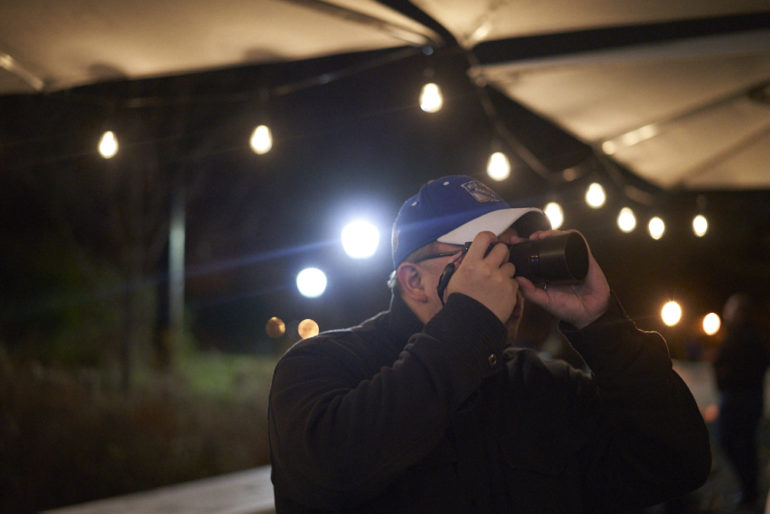
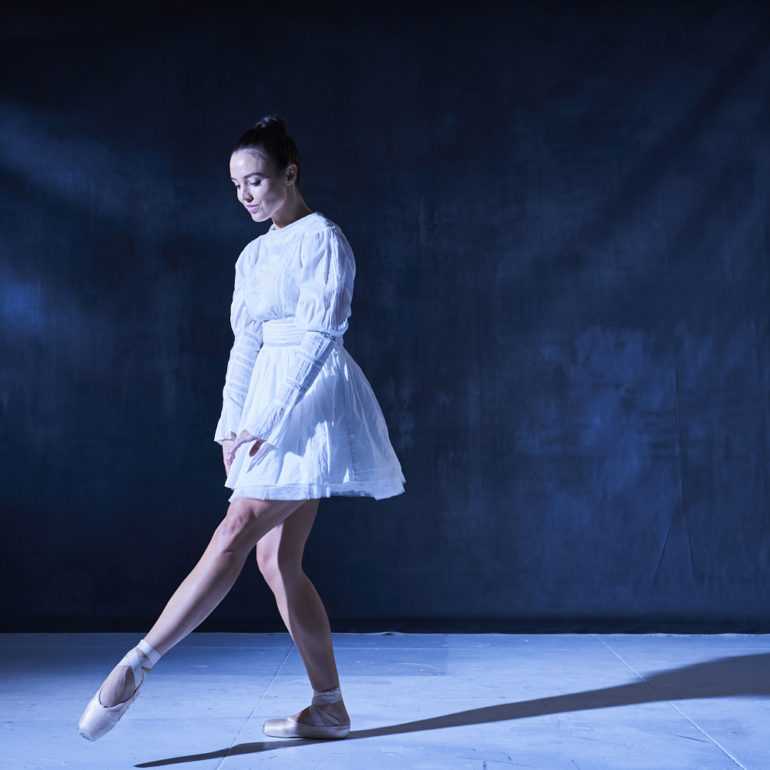
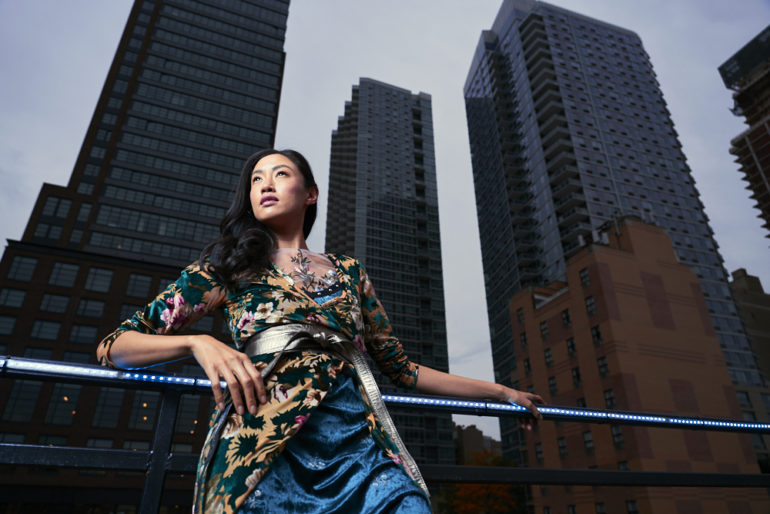
    When shooting fast moving objects, the Sony a7r III also did a great job providing that there was a fair amount of sunlight. If you're tracking fast moving objects in the dark, expect it to hunt a bit more but still lock onto the subjects. Below are a number of images shot of Jared Polin, and a number of cyclists using Profoto lighting to stop the fast motion.

    Metering

    In our tests, the Sony a7r III did a great job when it comes to metering. It's more or less on par with Sunny 16 laws. But when a flash is put into place, it seems like the camera wants to soak up even more light. With that said, you may want to underpower the flash a bit or stop your lens down, or even do something like lower your ISO setting. With that said though, I strongly believe that even if the camera's meter is off, it's offset by the fact that at lower ISO settings images from the Sony a7r III have such an absurd dynamic range of 15 stops. You can screw up the exposure and still have a very forgiving file.

    Image Quality

    Image quality from the Sony a7r III is much more to my fancy than the Sony a9 was. In my tests, I found that the Sony a9 had really weird issues with color gradation and skin tones. But with the Sony a7r III, I found those to be just fine. The best images come when you slightly underexpose your photos and manually white balance. Then you can take them into Capture One and work absolute magic with them. For your convenience, a video has been posted above that shows off how we went about editing the photos in Capture One.

    JPEG Output

    Yes, I wanted to see what the JPEG output would be like. Why? Well, sometimes you need to quickly post something to Instagram and sometimes the JPEGs are more than good enough. In this case, they're surely fantastic. But at the same time, my best JPEGs come when I manually white balance.

    RAW File Versatility

    Original

    Edited

    Above is one situation where I wanted to see just how much detail I'd be able to get from the Sony a7r III raw files. Interestingly, it pulled a whole lot of information from the highlights without creating any sort of issues. I'm very happy with the results here. Where I oddly saw problems though are with pushing shadows.

    Original

    Edited

    Edited with enhanced color

    In this test, I pushed the shadows quite a bit and created a lot of image noise that really needed to be nerfed. This hasn't happened with many other Sony cameras such as the Sony a9 and the Sony a7s II. But I guess that's just the tradeoff! Would I print this photo? Probably not large. But either way, I'm incredibly impressed at what the Sony a7r III can do with colors and highlights.

    High ISO Output

    The Sony a7r III RAW files are when it comes to high ISO output. While I don't think that I'd make 17×22 inch prints from the Sony a7r III at ISO 6400, I'd surely make something a bit smaller at say 8×10 with no troubles. But if the images are simply going on the web then ISO 6400 is fantastic, though even with noise reduction off, there are some details that surely do get missed. Luckily, this is a 42MP full frame camera and with good glass,you'll hopefully get those details back.

    Extra Image Samples

    Conclusions Likes
  • Battery life
  • RAW file versatility
  • Autofocus
  • Thank you for finally adding in a joystick
  • Nice ergonomics
  • Build quality
  • Dislikes
  • I really wish that Pixel Shift images didn't need to be edited in Sony's own software
  • Sony has this weird problem where you'll tell it to white balance to one temperature but then it imports at another
  • The Sony a7r III is a fantastic camera that is pretty much everything that every working photographer needs. Good autofocus? Great RAW file versatility? Third party lens support? Third party flash support? Improved battery life? Dual card slots? Weather sealing? I mean, what is there to not like. Anything that isn't that great about the Sony a7r III can be overcome and in no way do I see it being a burden in the long run. The Sony a7r III is replacing my Sony a7 as my main camera, although I still still keep the original due to just how good it still is. I recommend the Sony a7r III for working professionals and semi-professionals. And if you get it, I strongly recommend using it with Capture One to make the most of it.

    The Sony a7r III receives our Editor's Choice award and five out of five stars. I bought mine from Adorama at an Editorial Discount which I must ethically declare. But if you want to support this site, then consider purchasing one using our Amazon link.


    Source: Review: Sony a7r III (The Camera So Many of Us Have Been Waiting For)