Pages

Thursday, 7 December 2017

Review: Sony a7r III (The Camera So Many of Us Have Been Waiting For)

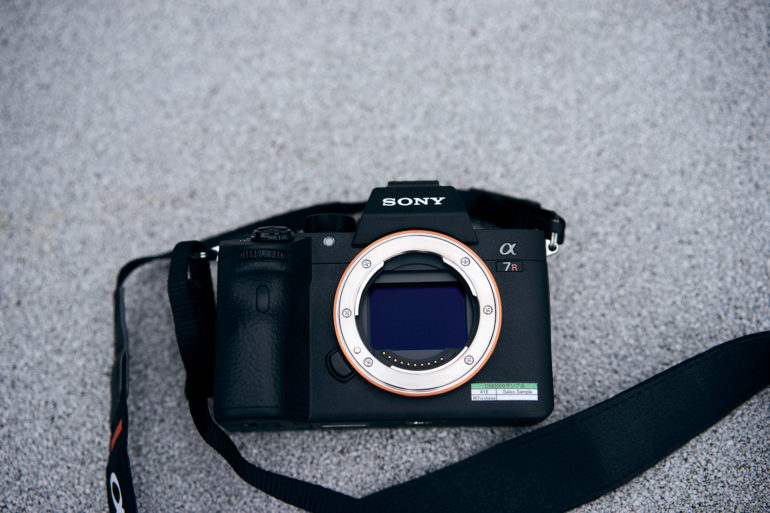
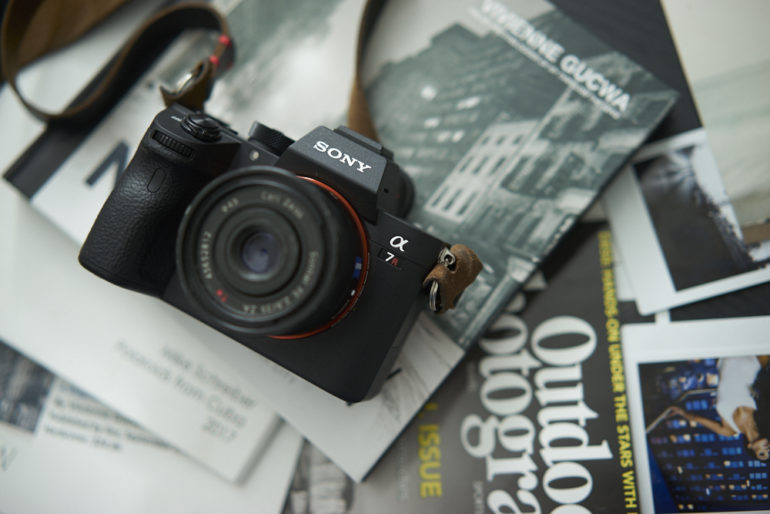
The Sony a7r III is one of the most perfect Sony cameras to date.

I used to borrow a joke from my buddy David Schloss that Sony got things 80% right 100% of the time; but with the new Sony a7r III I genuinely feel like they've done a significantly better job than that. Based on just the specs alone, I had to buy the Sony a7r III from Adorama. When the camera actually got into my hands, I was even more amazed at how great it is. Sony's cameras have been continually improved over and over again and for the first time, a studio photographer has access to almost everything that they could possibly need with a Sony mirrorless camera. Not only do to have a fantastic 42MP full frame sensor with 15 stops of dynamic range at lower ISO settings, but you've got pretty decent autofocus performance, WiFi, weather sealing, better battery life, and that joystick that we've been begging for for years now. When you combine this with the fantastic support from Profoto, Godox, and Flashpoint amongst others in the flash system world, then you've got a gen uinely complete system with a massive selection of lenses.

Pros and Cons
Pros
  • Weather sealing
  • Lots of RAW file versatility
  • Sony a9's autofocus
  • Nice ergonomics
  • New battery makes shooting with it for prolonged periods of time so much better
  • RAW files work fantastic with Capture One
  • Touch screen capabilities for shooting
  • Fast shooting capabilities
  • Silent shooting abiliites
  • Cons
  • No one is going to actually use the Pixel Shift imaging mode because it's so complicated to work with and few people want to use Sony's own software
  • I'd love a top LCD screen
  • I'd love to navigate the menus with the Touchscreen capabilities
  • Sony got rid of the PlayMemories apps and therefore all abilities to do more with the cameras such as the touchless shutter. It absolutely baffles me as to why Sony doesn't just put all that stuff into the cameras.
  • Wireless flash capabilities need to be enabled via the menu in order to use them
  • Gear Used

    We tested the Sony a7r III with the 24-105mm f4 G OSS, 55mm f1.8, 32mm f2.8 Zeiss, 70-200mm f2.8 G Master, 24-70mm f2.8 G Master, 16-35mm f2.8 G Master, and the Profoto A1.

    Tech Specs

    Tech specs for the Sony a7r III taken from the Adorama listing, where you can find even more.

  • 35mm Full-Frame 42.4 MP Back-Illuminated Exmor CMOS Image Sensor with Evolved Image Processing
  • Continuous Shooting at up to 10 fps
  • 399 phase-detection AF points covering 68% of image area, 425 contrast AF points
  • 5-axis optical in-body image stabilization with a 5.5 step shutter speed advantage
  • High Resolution 4K Movie Shooting with full pixel readout and no pixel binning7
  • Completely redesigned for professionals
  • Compact, Lightweight body at only 23 oz
  • Body Only
  • 5-Axis Optical
  • 42 MP
  • Full Frame Camera
  • 4K
  • Built-In Viewfinder
  • Wi-Fi: Yes
  • Ergonomics

    Taken from our first impressions post

    In terms of ergonomics the A7R III looks and feels almost exactly like the A7R II and all of the other second-generation A7 series cameras do. If you are a fan of the ergonomics and feel of those cameras then the A7R III will work very nicely for you. It is comfy in the hand and has a nice weight to it with the new 24-105mm F4 G OSS. The grip is a bit bigger and the addition of the joystick though is fairly significant otherwise. In addition to that, the mode dial is on the top right vs the Sony a9's top left.
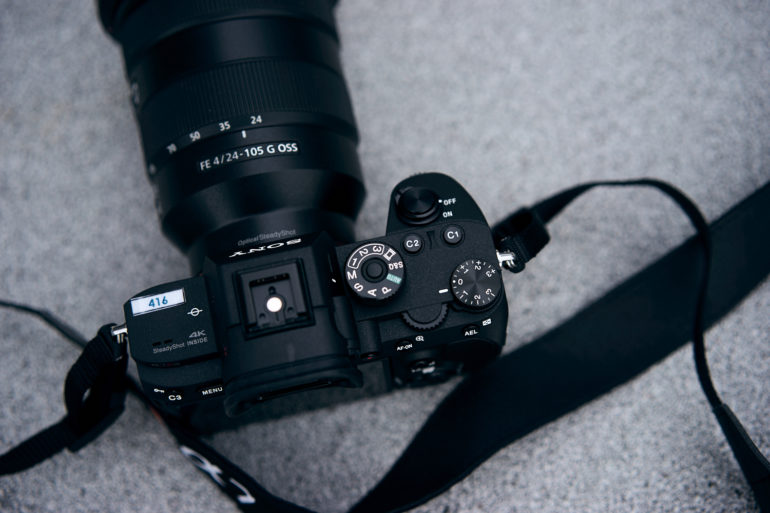
    But still, if we are honest, it would be great if Sony spent some more time on designing these A7 bodies to be a little more pretty to look at. They are just so sterile. We aren't asking them to go full on Fujifilm or Olympus with an overly vintage design aesthetic, but something that looks a bit nicer than the minimalist aesthetic they have going now would be an improvement in our eyes.
    Build Quality

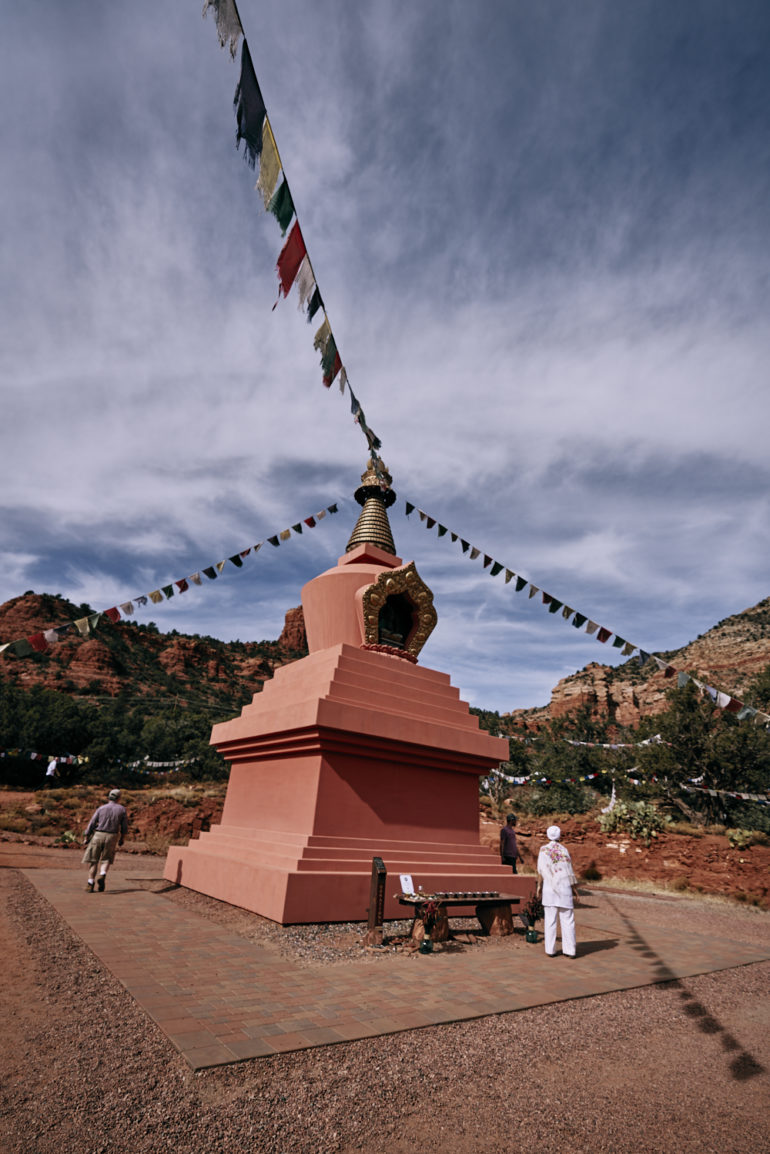
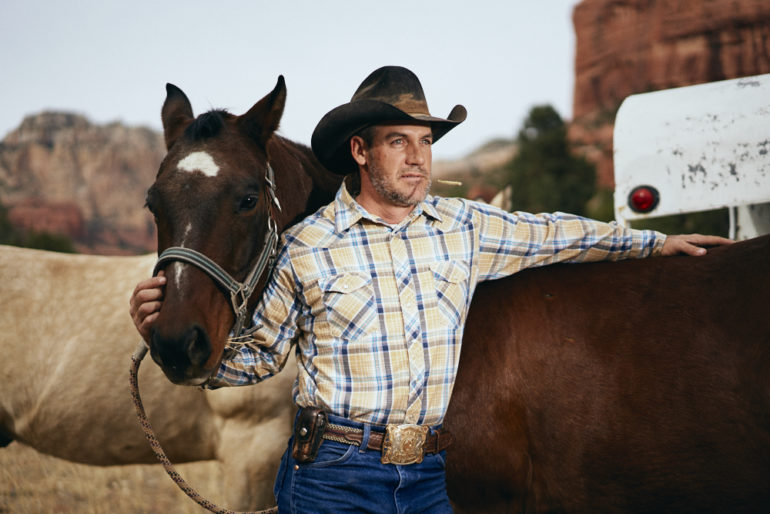
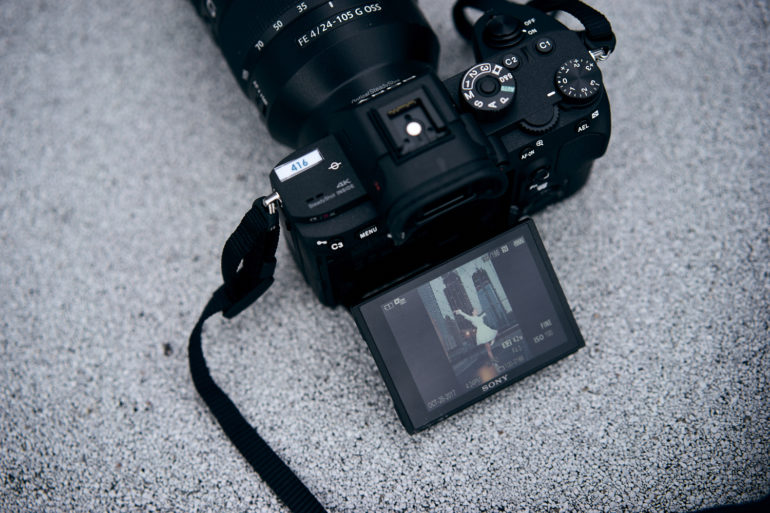
    The Sony a7r III is said to have better weather sealing that previous a7 cameras; and to be about on par with the Sony a9. For what it's worth, years ago I had a terrible accident with a Sony a7s body. Sony themselves warns against going out into very heavy rainstorms and shooting with the camera. With that said though, I surely did take it into the dust of Sedona where it operated just fine. But would I take it out into a heavy rainfall? Maybe. With that said, Sony's lenses are said to be made very rugged–especially the G Master lenses. So keep that in mind!

    Ease of Use
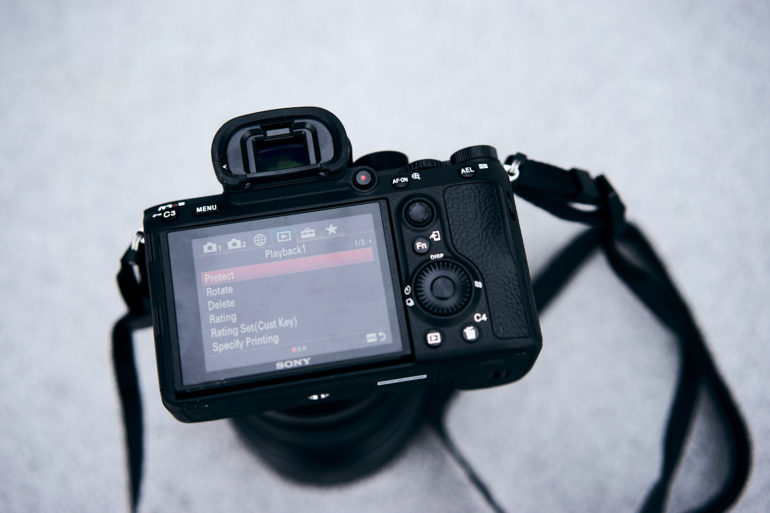
    When you're going through the Sony a7r III, I strongly recommend taking a lot of time and setting it up via the menu system. I strongly recommend this even for experienced Sony users. The menu system is deep and can be intimidating but if you go slow then the problems are much less. Since I spent time with the Sony a7r III beforehand I knew this going in. So when mine actually came in, I took my time to ensure that everything I wanted was there. Primarily, I like setting the back dial to ISO, the front dial to shutter, the back to aperture, setting the diopter, the movie modes, the autofocus modes, etc. Oh, and I wouldn't do anything without having a quick white balance change set up.

    What I really want to comment on though is the five axis stabilization. It's much better than before and being able to get sharp images when shooting down to 1/15th with a 55mm f1.8 is fantastic. Of course, I've been known to have better hand holding abilities than most. But I still thoroughly enjoy this process.

    Something that annoys me about the Sony a7r III is the fact that if you want to work with a flash wirelessly, you need to actually turn that setting on in the camera menus. For some odd reason, it's disabled–and that's one of the first big variants away from the Minolta flash system that is still in many ways buried inside of Sony's DNA. In my tests, I didn't see any sort of major battery performance impact whether it was turned on or not. To me, that's the only reason why I'd consider even needing to have such a menu item.

    Autofocus

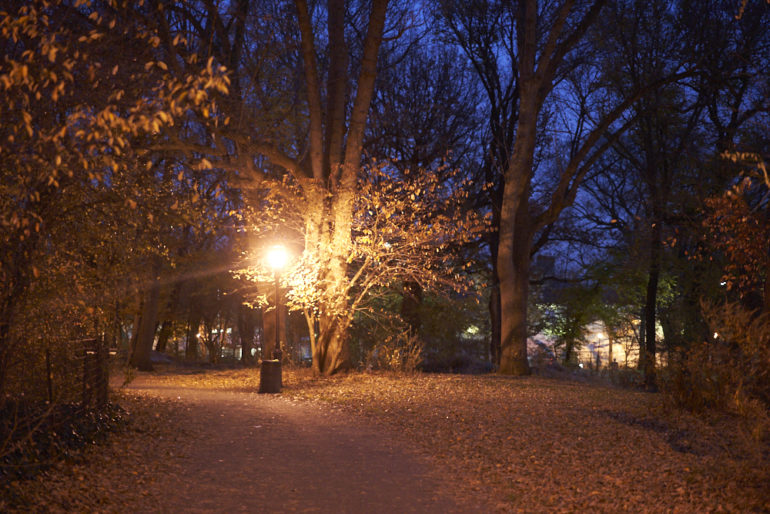
    The Sony a7r III has fantastic autofocus even in low lit situations. In Sedona, the camera almost never seemed to miss its subject. But in NYC and with independant testing, it missed a bit more than it did on the Sony press trip. Still though, the keeper rate is incredibly high overall. The Sony a8, and the Sony a7r III are both fantastic when it comes to autofocus and I feel them to be a bit better than the nikon D850. But to date, the best autofocus on any camera that I've tested is the Olympus OMD EM1 Mk II. Granted. Four Thirds sensors have much more in focus at a given aperture and even that camera tended to miss focusing on subjects at times. If you're going into the studio or doing location work with this camera though, then you've got everything that you need. If you're shooting an event in darkness, you'll be fine for the most part.
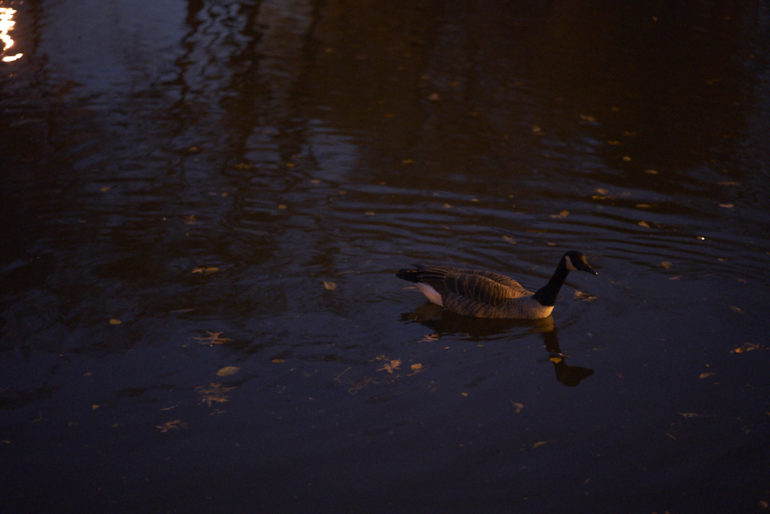
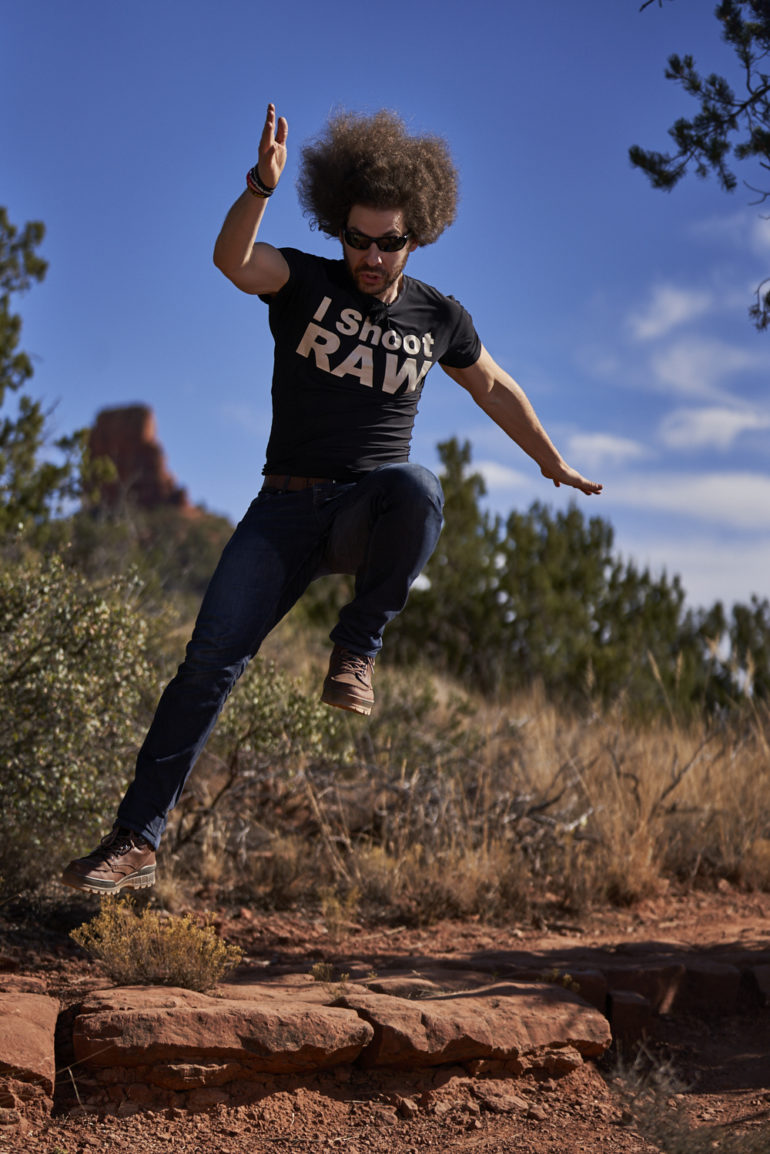
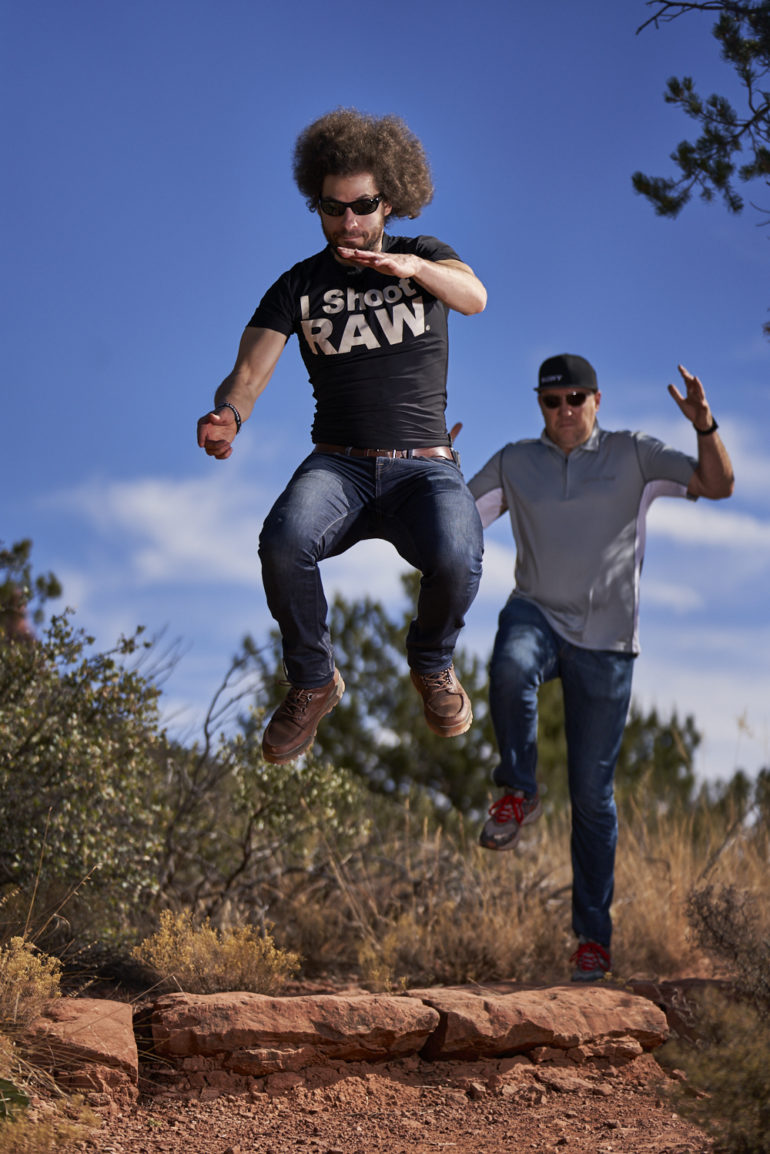
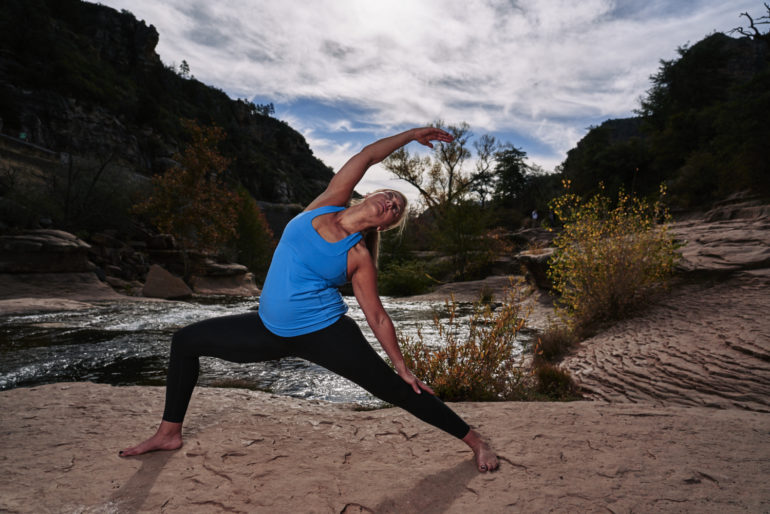
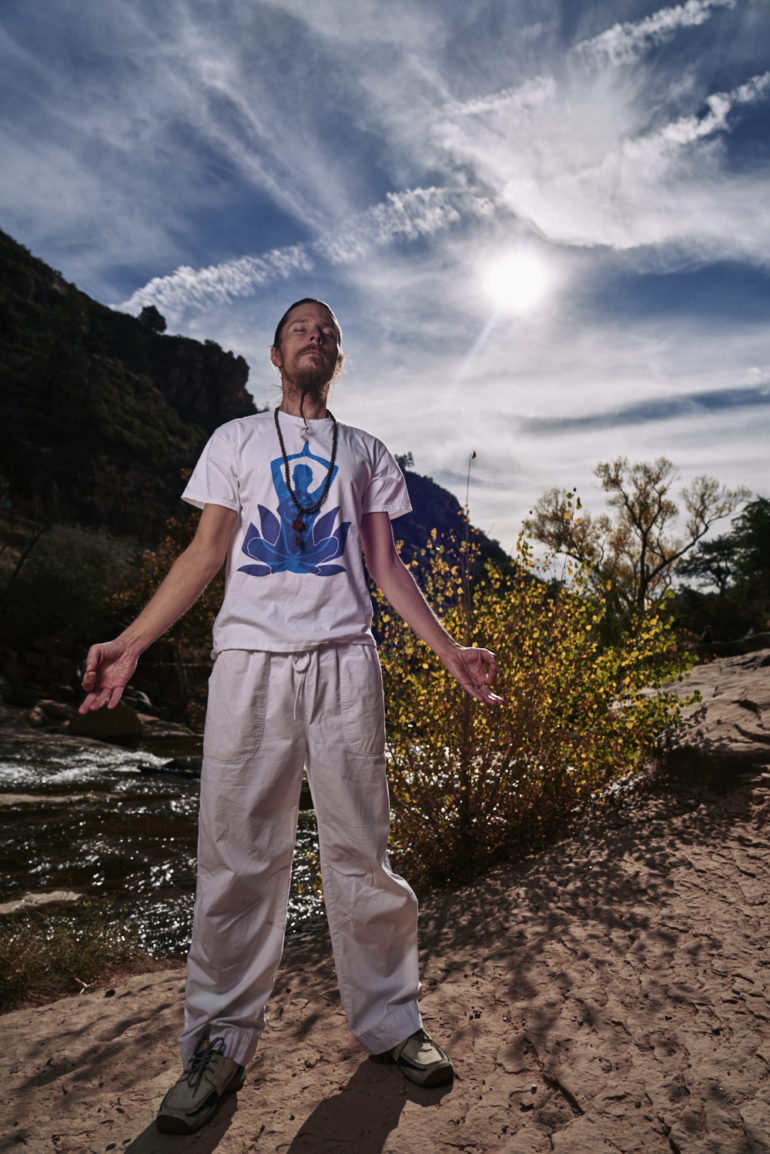
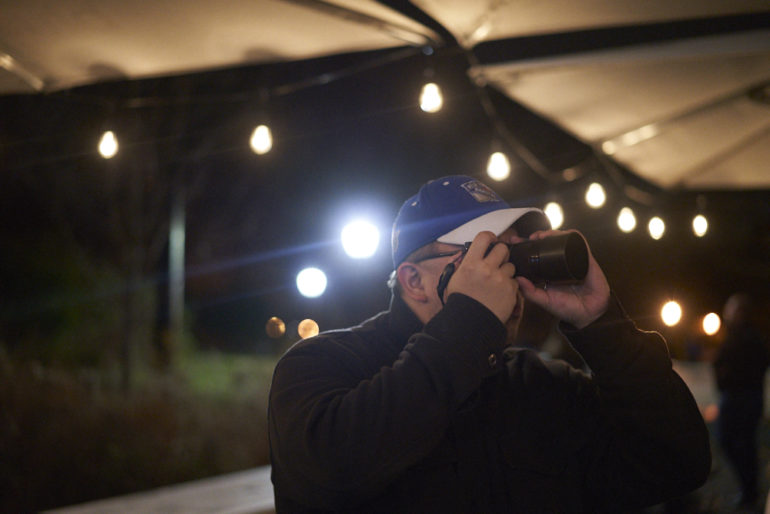
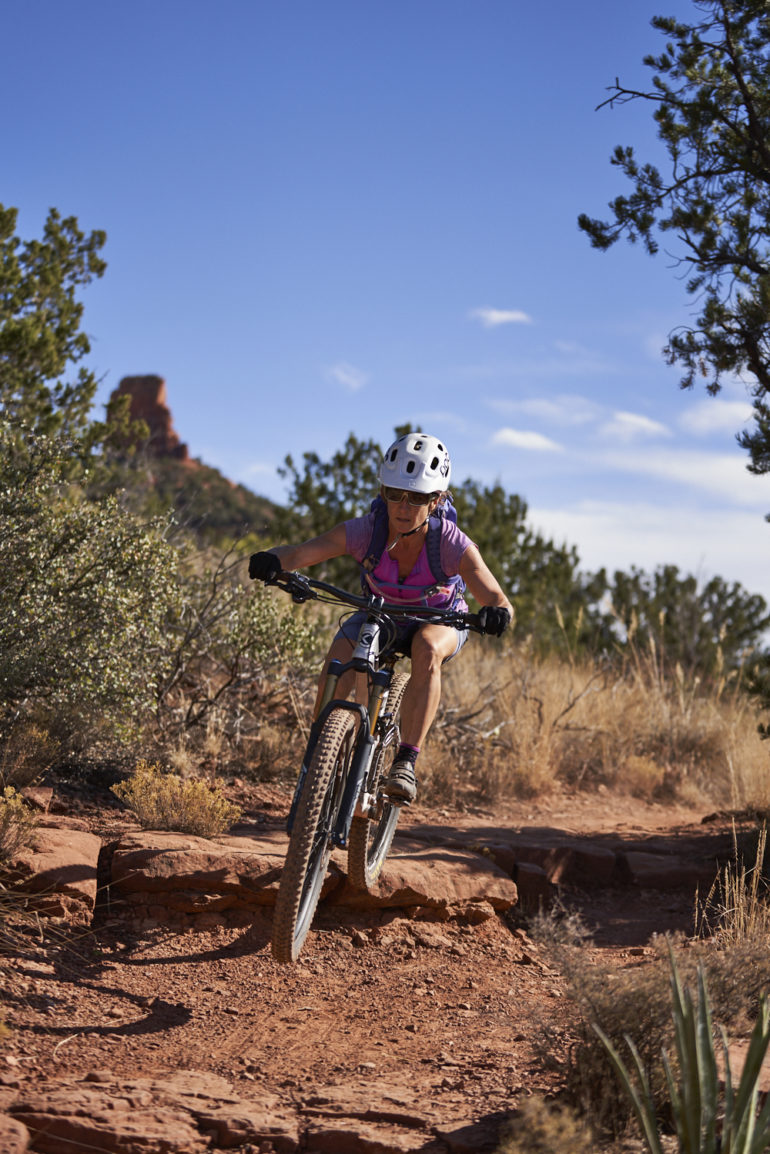
    When shooting fast moving objects, the Sony a7r III also did a great job providing that there was a fair amount of sunlight. If you're tracking fast moving objects in the dark, expect it to hunt a bit more but still lock onto the subjects. Below are a number of images shot of Jared Polin, and a number of cyclists using Profoto lighting to stop the fast motion.

    Metering

    In our tests, the Sony a7r III did a great job when it comes to metering. It's more or less on par with Sunny 16 laws. But when a flash is put into place, it seems like the camera wants to soak up even more light. With that said, you may want to underpower the flash a bit or stop your lens down, or even do something like lower your ISO setting. With that said though, I strongly believe that even if the camera's meter is off, it's offset by the fact that at lower ISO settings images from the Sony a7r III have such an absurd dynamic range of 15 stops. You can screw up the exposure and still have a very forgiving file.

    Image Quality

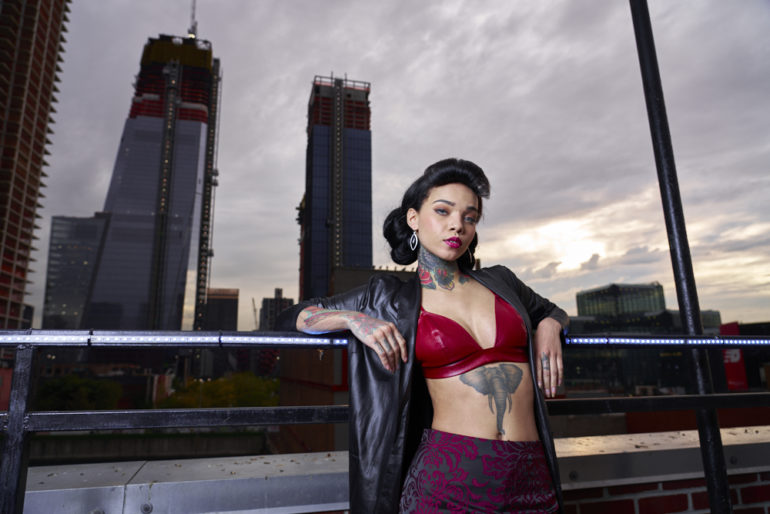
    Image quality from the Sony a7r III is much more to my fancy than the Sony a9 was. In my tests, I found that the Sony a9 had really weird issues with color gradation and skin tones. But with the Sony a7r III, I found those to be just fine. The best images come when you slightly underexpose your photos and manually white balance. Then you can take them into Capture One and work absolute magic with them. For your convenience, a video has been posted above that shows off how we went about editing the photos in Capture One.

    JPEG Output

    Yes, I wanted to see what the JPEG output would be like. Why? Well, sometimes you need to quickly post something to Instagram and sometimes the JPEGs are more than good enough. In this case, they're surely fantastic. But at the same time, my best JPEGs come when I manually white balance.

    RAW File Versatility
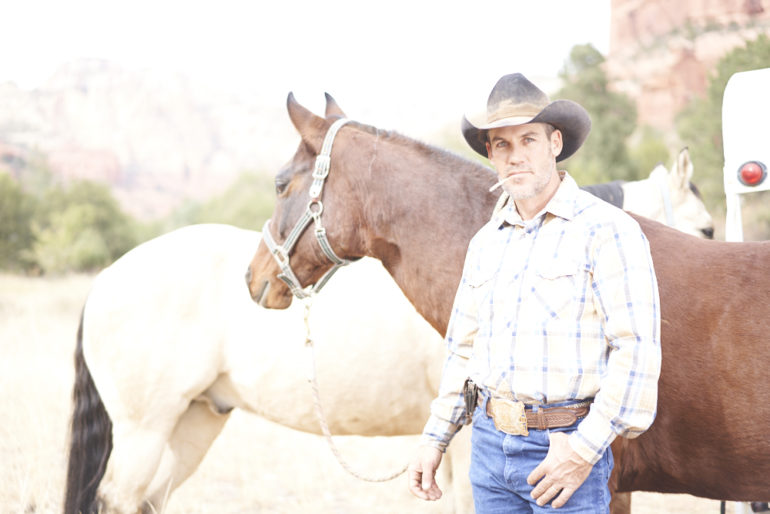
    Original
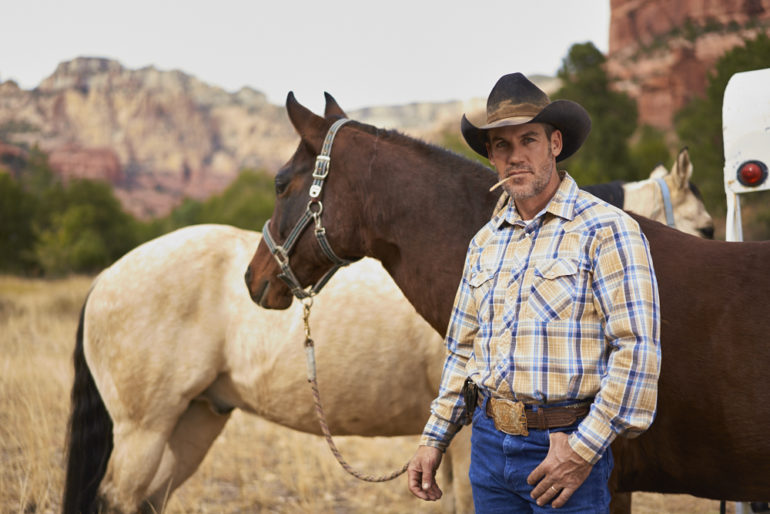
    Edited

    Above is one situation where I wanted to see just how much detail I'd be able to get from the Sony a7r III raw files. Interestingly, it pulled a whole lot of information from the highlights without creating any sort of issues. I'm very happy with the results here. Where I oddly saw problems though are with pushing shadows.
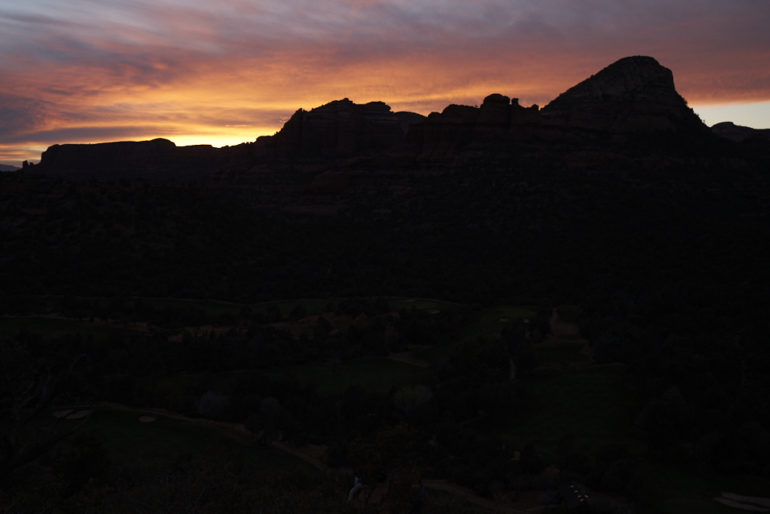
    Original

    Edited
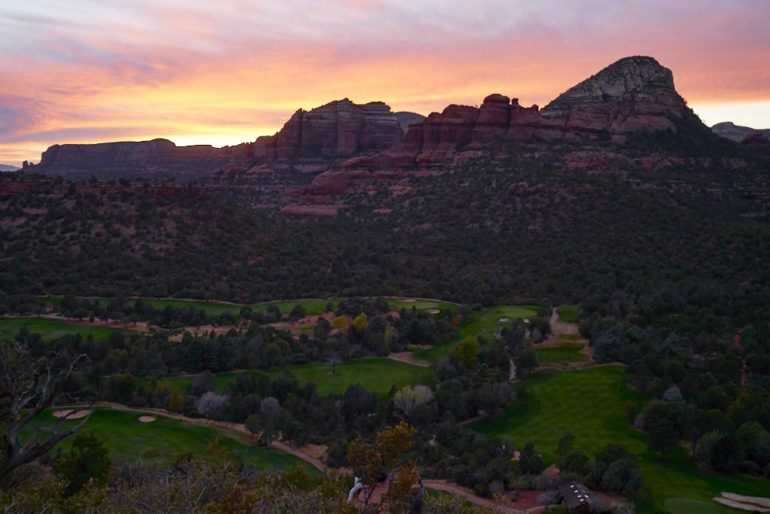
    Edited with enhanced color

    In this test, I pushed the shadows quite a bit and created a lot of image noise that really needed to be nerfed. This hasn't happened with many other Sony cameras such as the Sony a9 and the Sony a7s II. But I guess that's just the tradeoff! Would I print this photo? Probably not large. But either way, I'm incredibly impressed at what the Sony a7r III can do with colors and highlights.

    High ISO Output

    The Sony a7r III RAW files are when it comes to high ISO output. While I don't think that I'd make 17×22 inch prints from the Sony a7r III at ISO 6400, I'd surely make something a bit smaller at say 8×10 with no troubles. But if the images are simply going on the web then ISO 6400 is fantastic, though even with noise reduction off, there are some details that surely do get missed. Luckily, this is a 42MP full frame camera and with good glass,you'll hopefully get those details back.

    Extra Image Samples
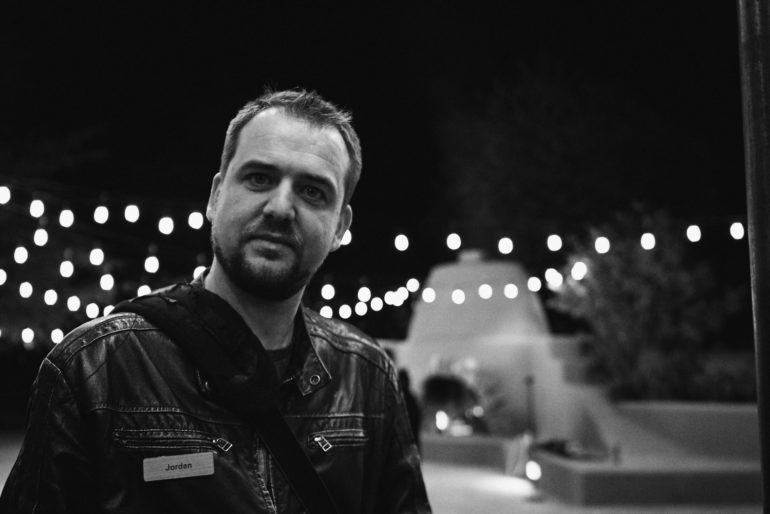
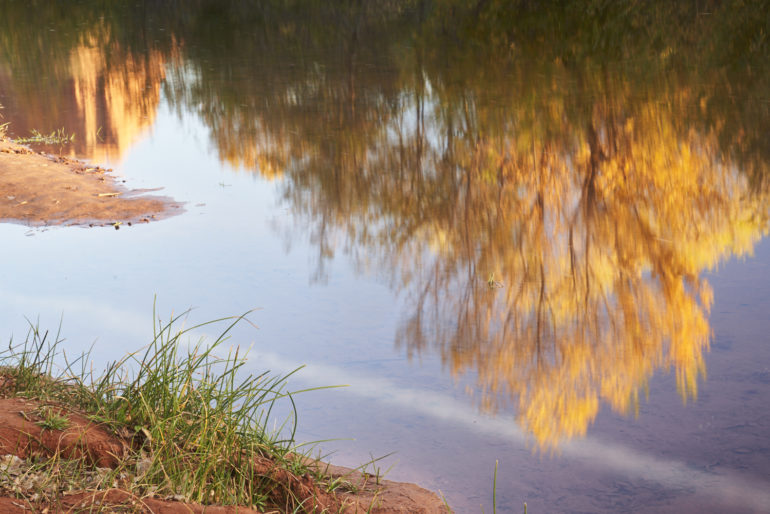
    Conclusions Likes
  • Battery life
  • RAW file versatility
  • Autofocus
  • Thank you for finally adding in a joystick
  • Nice ergonomics
  • Build quality
  • Dislikes
  • I really wish that Pixel Shift images didn't need to be edited in Sony's own software
  • Sony has this weird problem where you'll tell it to white balance to one temperature but then it imports at another
  • The Sony a7r III is a fantastic camera that is pretty much everything that every working photographer needs. Good autofocus? Great RAW file versatility? Third party lens support? Third party flash support? Improved battery life? Dual card slots? Weather sealing? I mean, what is there to not like. Anything that isn't that great about the Sony a7r III can be overcome and in no way do I see it being a burden in the long run. The Sony a7r III is replacing my Sony a7 as my main camera, although I still still keep the original due to just how good it still is. I recommend the Sony a7r III for working professionals and semi-professionals. And if you get it, I strongly recommend using it with Capture One to make the most of it.

    The Sony a7r III receives our Editor's Choice award and five out of five stars. I bought mine from Adorama at an Editorial Discount which I must ethically declare. But if you want to support this site, then consider purchasing one using our Amazon link.


    Source: Review: Sony a7r III (The Camera So Many of Us Have Been Waiting For)

    Wednesday, 6 December 2017

    Up to 52% Off Sony Headphones, Speakers, Cameras, More [Deal]

    A selection of Sony products are on sale today for up to 52% off as part of Amazon's 12 Days of Deals. Included are various headphones, speakers, cameras, receivers, and other products..

    Check out the selection below! For more holiday shopping deals, please follow iClarified on Twitter, Facebook, Google+, or RSS.

    ● Sony MDR1A Premium Hi-Res Stereo Headphones (Black) - $248 (17% off)● Sony XB20 Portable Wireless Speaker with Bluetooth, Black - $56 (43% off)● Sony PSHX500 Hi Res USB Turntable (Black) - $398 (20% off)● Sony a7R II Full-Frame Mirrorless Interchangeable Lens Camera, Body Only - $2398 (17% off)● Sony a7S II ILCE7SM2/B 12.2 MP E-mount Camera with Full-Frame Sensor, Base - $2398 (11% off)● Sony SRSZR7 Hi-Resolution Wireless Speaker with Bluetooth/Wi-Fi - $248 (17% off)● Sony - H800 H.Ear On 2 Mini Wireless On Ear Headphone Black - $198 (14% off)● Sony - C400 Wireless Behind-Neck In Ear Headphone - $48 (31% off)● Sony MDRXB650BT/B Extra Bass Bluetoot h Headphones, Black - $68 (48% off)● Sony Extra Bass Bluetooth Headphones, Best Wireless Sports Earbuds - $38 (52% off)● Sony XB10 Portable Wireless Speaker with Bluetooth - $38 (34% off)● Sony STRDH550 5.2 Channel 4K AV Receiver - $148 (41% off)● Sony Premium Noise Cancelling Wireless Behind-Neck In Ear Headphones - $228 (24% off)● Sony XB30 Portable Wireless Speaker with Bluetooth - $98 (34% off)● Sony XB550AP Extra Bass On-Ear Headphone - $35 (34% off)

    Up to 52% Off Sony Headphones, Speakers, Cameras, More [Deal]


    Source: Up to 52% Off Sony Headphones, Speakers, Cameras, More [Deal]

    Tuesday, 5 December 2017

    Fujifilm announces new mirrorless camera and macro lens for New Zealand market

    Fujifilm is introducing the Fujifilm X-T2, a compact mirrorless camera with 24 megapixels and 4K HD video that can do the hard yards for any adrenaline junkie with a photographer's streak.

    Photographers will find the X-T2 is made of sterner stuff, with a solid magnesium alloy body that is both highly durable and lightweight to ensure it can be taken into any situation. Weather-sealed to keep salt spray and drizzle at bay, and combined with one of Fujifilm's extensive range of Fujinon XF lenses, the X-T2 will be ever-reliable through each step of the adventure.

    For those that might find themselves in a tight spot (whether shooting in a cave or from the passenger seat of a helicopter), the X-T2's tilting LCD screen can help set up those adventure shots, when looking through the viewfinder isn't an option.

    New macro lens

    Fujifilm is also announcing the FUJINON XF80mmF2.8 R LM OIS WR Macro Lens, now available in New Zealand joining a massive XF lens line-up bringing the first 1.0x magnification mid-telephoto macro lens for X-Series mirrorless cameras.

    The new macro lens achieves high resolving power at the focus point and beautiful bokeh, making it optimal for shooting flowers and insects. Combine this lens with Fujifilm's unique Film Simulations, such as Velvia, for truly stunning close up photographs.

    New Zealand X-Series specialist Craig Robertson says the new 80mm lens will be another great addition to the FUJINON line-up, already renowned for their outstanding image quality.

    "This lens is going to enable people shooting X-Series to be able to take their photography to new levels of detail and create quality, close-up images in true 1 to 1 reproduction," says Robertson.

    The FUJINON XF80mmF2.8 features a focal length equivalent to 122mm (on a 35mm format), a maximum aperture of F2.8, and 1.0x magnification factor.

    Designed to be versatile and to suit all photography styles, users can shoot on a tripod or hand-held with the help of the Optical Image Stabilizer system suppressing shift shake*. The lens also provides fast and silent Auto Focus with a clever system of linear motors.

    Suitable for use in a wide range of outdoor shooting conditions, the FUJINON XF80mmF2.8 can operate in temperatures as low as -10°C. and is weather and dust resistant.

    The exterior design is luxurious yet robust for a premium feel. The aperture and focusing rings have been designed for maximum comfort and usability.

    Robertson notes that photographers shooting with older X-Series cameras will also be able to enjoy the new lens.

    "The latest free firmware update ensures previous X-Series models are ready to go with the Auto Focus system of XF80mm as Fujifilm is dedicated to continuing to support our older cameras," says Robertson.

    The new FUJINON XF80mm Macro Lens retails for RRP$1999.


    Source: Fujifilm announces new mirrorless camera and macro lens for New Zealand market

    Sunday, 3 December 2017

    How To Choose The Best Travel Camera (Plus Win A Free GoPro!)

    Best Travel Camera Guide

    How to Choose a Travel Camera

    Travel Photography

    After 7 years as a professional travel photographer & blogger, I keep getting asked what's the best travel camera. There are so many to choose from! Here's what I would pick, and why.

    If you're into photography, traveling the world with a good camera can help you bring back images that will stand the test of time — memories to share with family and friends for years to come.

    Amazing travel photos are some of my most treasured souvenirs!

    But what's the best travel camera for capturing these special moments on your journey? There's no easy answer to this question. Different people will have different requirements and budgets.

    My goal with this digital camera buyers guide is to help you narrow down the overwhelming choices that are out there — and pick the perfect travel camera for your next trip.

    Travel Photos from Norway

    Norway's Lofoten Islands

    Travel Camera Features
  • Size & Weight: Gone are the days when a bigger camera means a better camera. If you want to travel with your camera, you'll want something small & lightweight.
  • Manual Settings: Photography professionals want the ability to fully control the settings of their camera so they can dial in the perfect shot in all kinds of different situations.
  • Megapixels: Many people assume that more megapixels is better. This isn't always true if the pixels themselves are small. However more megapixels on a large sensor will give you higher detail, and allow you to "crop" your image without reducing quality.
  • Fast Lens: Lens aperture is measured in f/numbers, like f/1.4, f/2.8, f/4, etc. The lower the number, the better it will perform in low-light situations.
  • Zoom Range: A zoom lens lets you get closer to the action, especially for wildlife or people. But the bigger the zoom the bulkier a camera gets. How much zoom you want is a personal preference.
  • HD/4K Video: Most quality travel cameras will shoot video in HD 1080p. Some even have 4K capabilities — which honestly most people won't need unless you're doing professional work.
  • WiFi/Bluetooth Enabled: Some cameras have their own wifi network, allowing you to upload your photos instantly to your computer or smartphone.
  • Interchangeable Lenses: High-end mirrorless and DSLR cameras have interchangeable lenses, allowing you to pick the perfect lens for different situations.
  • Weatherproofing: Will your travel camera hold up against the elements? Some cameras are better protected from moisture and dust than others.
  • Travel Camera Sensor Size

    Understanding Camera Sensors

    Camera Sensor Size

    When choosing the perfect camera for traveling, you need to understand different camera sensors, and how they affect image quality and camera size.

    In general, a camera with a large sensor is going to perform better in low light because that large sensor can capture more of it.

    With a large sensor you'll also get more detail, allowing you to print your images large, or crop them smaller, and not loose any quality.

    However a large camera sensor means the camera itself will be larger as well.

    Travel Photos from Hawaii

    Ridge Hiking in Hawaii

    What Do You Want To Capture?

    When choosing the best travel camera for your needs, you must define what those needs are. Different cameras have strengths and weaknesses depending on what you're using them for.

    Are you looking for portability? Weatherproofing & ruggedness? Professional high-end image quality? Something reasonably priced? Are you going to be shooting more landscapes, wildlife, adventure activities, or people?

    You often can't have it all when it comes to travel cameras.

    Keep reading below to learn the pros & cons for each type of camera, and which types of travel photography they work best for.

    Point & Shoot Cameras

    Point & shoot cameras have come a long way. As technology has improved, companies have managed to pack these pocket-sized cameras with tons of features. Some shoot 4k video and have manual settings, just like the more expensive ones in this list.

    The big difference is the camera sensor is a bit smaller, and they don't have interchangeable lenses.

    In my opinion, a mid-range to high-end point & shoot is the best option for 75% of amature travel photographers. They combine the perfect mix of portability, power, and budget-friendliness.

    Sony RX100 Series ($700 – $1000) Sony RX100 Travel Camera

    Sony RX100 V

    The Sony RX100 V is my favorite point & shoot travel camera. It's what I'd call a "professional" point & shoot. While it fits in my pocket, it has many of the same features as my larger primary mirrorless camera.

    It's a bit pricey at $1000, but you can also pick up older models like the RX100 III ($700) and RX100 IV ($850) for less. They also make reasonably priced underwater dive-housings for this line.

    Highlights
  • 4k Video
  • Ultra-Fast Focusing
  • Flip-screen for Vlogging
  • Built-In Flash
  • Issues:
  • 1″ Sensor
  • Fixed Lens
  • Crappy Microphone
  • Canon PowerShot G7 X ($650) Canon G7X II Travel Camera

    Canon G7X II

    The Canon G7 X is another fantastic point & shoot that's great for travel photography. A bit less expensive than the Sony, it has fewer high-end features, but shoots great video with better on-board audio than the Sony. It's a favorite for many YouTubers and Vloggers.

    Highlights
  • Flip-screen for Vlogging
  • Built-In Flash
  • Decent Microphone
  • Issues:
  • 1″ Sensor
  • Fixed Lens
  • Slow Focusing
  • Travel Photos from a GoPro

    Best Action Travel Cameras

    Action Cameras

    Action cameras have really transformed the travel photography & video world over the years. These tiny, waterproof, indestructible cameras can go anywhere & record anything!

    If you plan on hiking, mountain biking, surfing, kayaking, snorkeling, scuba diving, or even swimming under waterfalls during your travels, an action camera can create epic video & photos of the experience.

    GoPro Hero 6 ($500) GoPro Hero 6 Travel Camera

    GoPro Hero 6

    The GoPro Hero 6 is GoPro's best camera yet, with improved video stabilization, color, and 60p slow-motion 4k footage. It's waterproof case and touch-screen will handle any adventures you dream up. A must-have for adventure addicts like me!

    GoPro Hero Session ($200) GoPro Session Travel Camera

    GoPro Session

    The GoPro Session is GoPro's smaller & cheaper model. Without a screen, this tiny cube can fit just about anywhere — you'll barely notice it. If you aren't an action sports junkie, this will do for most people. Connect to the GoPro App on your smartphone to frame your shots.

    Travel Photos from Hawaii

    Best Mirrorless Travel Cameras

    Mirrorless Cameras

    Larger than a point & shoot, but smaller than a DSLR, mirrorless digital cameras are all the rage right now. Even professional photographers are starting to switch over due to their small size and ability to produce high-quality images.

    I use a mirrorless camera as my main travel camera. They offer more features than a point & shoot, like the ability to use interchangeable lenses, and a larger sensor with better low-light capability and detail.

    Sony A7 Series ($1300 – $3200) Sony A7 Travel Camera

    Sony A7ii

    The Sony A7 II is one of the best travel cameras money can buy. Sony is on the cutting edge of camera technology lately, and other brands are having trouble keeping up. There are a few different models available.

    The Sony A7S II is geared towards videographers, with extremely good low-light capabilities and 4k video. The Sony A7R III is geared for professional photographers who want super-fast focusing and a giant full-frame sensor.

    Highlights
  • Full Frame Sensor
  • Internal Stabilization
  • 4k Video (A7S & A7R only)
  • High Dynamic Range
  • Weather-sealed Body
  • Issues:
  • Lacks swivel screen for vlogging
  • No built-in flash
  • Fujifilm X‑T2 ($1500) Fujifilm X‑T2 Travel Camera

    Fujifilm X‑T2

    The Fuji X-T2 is a popular competitor to the Sony A7 mirrorless camera. I've used it before, and the Fuji is very well-made! My favorite part about it is the rugged all-metal dials that control this camera's settings. However it has a smaller APS-C crop sensor rather than being Full Frame.

    Highlights
  • APS-C Sensor
  • 4k Video
  • Weather-sealed Body
  • Issues:
  • Lacks swivel screen for vlogging
  • No built-in flash
  • Sony A6500 ($1200) Sony A6500 Travel Camera

    Sony A6500

    The Sony A6500 is an even smaller version of Sony's awesome A7 mirrorless camera. The big difference is a slightly smaller APS-C cropped sensor, and less weatherproofing to protect against rain.

    The A6500 also shoots 4k video, shoots faster photos than the A7, and has a touch-screen. For a more budget friendly version, the older Sony A6000 is almost just as capable, for almost $700 hundred dollars less!

    DSLR Cameras

    Digital SLR Cameras (DSLR) wouldn't be my first choice for a travel camera. Because these cameras use a physical mirror instead of an electronic viewfinder, the body is larger than on a mirrorless camera.

    Personally I think most people would be better off with a mirrorless camera system these days. Especially if you're trying to minimize the weight and size of your travel gear.

    Nikon D3400 ($400) Nikon D3400 Travel Camera

    Nikon D3400

    Canon 80D ($1000) Canon 80D Travel Camera

    Canon 80D

    Using Your Smartphone

    Can you use your smartphone for travel photography? Of course you can! You'll sacrifice a bit of quality due to the super small camera sensor in phones, but if you're only publishing to the web, most people won't notice.

    Another downside is lack of a physical zoom feature (digital zooming doesn't produce great results).

    Some smartphones can even shoot in RAW format these days though. I travel with an iPhone 7+, but the Galaxy S8 and Google Pixel 2 also take amazing photos & video. Smartphones are also great backup cameras too.

    What About Camera Lenses?

    You honestly don't need a million different camera lenses. When I first started, I only used a single general-purpose lens while I was learning.

    If you have money to burn, then get two: a wide angle zoom and a telephoto zoom.

    These two lenses will allow you to capture a mix of landscapes, portraits, and wildlife from a distance. However lugging around multiple lenses and changing them back & forth can be annoying if you're new to photography.

    To keep things easy, I'd recommend only one lens at first. Something with a decent focal range, around 18mm – 55mm or 28mm – 70mm.

    When looking at a lens aperture, the lower the number, the better it will be in low light. F2.8 or F4 should cover you for most situations. If you want to shoot star photography, go with F2.8 or lower.

    Hawaii from the Air

    Flying my DJI Mavic Over Hawaii

    Drones For Travel Photography

    Drones are incredible tools for capturing images & video in a totally different perspective. But this probably isn't the most important travel camera for the average person.

    Many places have restrictions on flying personal drones, for example US National Parks, and even entire countries. So you need to do your research to avoid heavy fines or confiscation.

    If you REALLY want a drone, I'd recommend the DJI Spark for beginners. It's tiny, pretty affordable, and very easy to use.

    If you eventually want to make money from your drone photography, and have a larger budget, than you'll completely fall in love with the more professional DJI Mavic Pro. You can see my review video here.

    Travel Photography Camera Gear

    All My Camera Gear

    What Travel Cameras Do I Use?

    I actually travel with 4-5 different cameras on my adventures around the world. This is a bit overkill for most people.

    However travel photography is how I make my living, so I invest in gear to help me accomplish my job. When I first started 7 years ago, all I used was a Canon 7D and a GoPro Hero.

    The camera backpack I use is called a LowePro Whistler 350. It's got room for a 15″ laptop, jacket, and incredibly fits all 5 travel cameras, lenses & some accessories if I need it to — great as an airplane carry-on.

    Travel Photography Tips

    I want to let you in on a little travel photography secret. Even if you have a top-of-the-line $10,000 camera, your photos aren't going to be spectacular if you don't know how to use it.

    And I don't mean pressing the shutter — I mean:

  • Learning how to shoot in manual mode
  • How to expose images properly
  • Adjusting your white balance
  • Framing shots for maximum impact
  • Paying attention to light
  • Post-processing your images with software
  • You don't become a good photographer because you have a nice camera, your photography improves over time through practice, patience, and skills you learn from others.

    So sure, invest in a new travel camera if you think you need it, but remember to invest money & time into learning new photography skills if you really want to create those jealousy-inducing images for your Instagram feed!

    Here are some of my favorite beginner travel photography tips.

    Travel Camera Giveaway

    Who Wants to Win a GoPro?

    Free GoPro Session Giveaway!

    If you don't have a GoPro action camera yet, but want one, here's your chance to win a GoPro to use on your next travel adventure!

    I'm giving one lucky reader their very own GoPro Hero Session 5 (along with some accessories).

    I love my GoPro, and travel with it everywhere. It's great for capturing water sports, hiking trips, epic selfies, and hands-free video from my travel adventures around the world.

    I've been traveling with a GoPro of some kind for the last 7 years!

    Here's an article I wrote about my favorite GoPro accessories for travel, along with examples of how you can use it to capture amazing footage.

    OFFICIAL RULES

    ELIGIBILITY: Ages 18+Promotion is open and offered to residents of any country. However the winner will be responsible for their own country's customs fees.

    CHOOSING A WINNER:A winner will be selected at random from the list of entries, and notified by email on December 3rd. If the winner does not respond within one week, an alternate winner will be chosen at random.

    PRIZE:The winner will receive (1) GoPro Hero Session, (1) GoPro Backpack, and (1) GoPro Selfie Stick. Prize value worth $450. Prizes are shipped to winner's chosen address. Local customs fees are not included in the prize.

    TERMS & CONDITIONS: Click Here For Details

    How To Enter Contest

    Enter your name and email address below and follow the instructions.

    You'll have the option to earn extra contest entries (and more chances to win!) by completing certain tasks.

    Good luck, and I look forward to congratulating the winner! ★

    Pin This!

    How To Choose The Best Travel Camera. More at ExpertVagabond.com

    Have any questions about travel cameras? What about other suggestions? Drop me a message in the comments below!

    Disclosure: Some of the links in this post are "affiliate links." This means if you click on the link and purchase the item, I will receive an affiliate commission. Regardless, I only recommend products or services I use personally and believe will add value to my readers.


    Source: How To Choose The Best Travel Camera (Plus Win A Free GoPro!)

    Saturday, 2 December 2017

    FujiAddict.com leaked details on the upcoming Fuji X-H1, XF10, XT100 and GFX R (rangefinder medium format mirrorless interchangeable lens camera)

    Our sister site FujiAddict has been a pretty good source for upcoming Fuji products and they nailed that last few products announcements. Today they got a major leak on multiple upcoming Fujifilm cameras. Here is the recap:
    Fuji X-H1 camera (previously reported here):

  • X-H1 will be shipped at February 2018
  • There is a exposure compensation button instead of exposure compensation Dial (like GFX50)
  • There is Sub Monochrome LCD Monitor, displays main settings (like GFX50s)
  • X-H1 have much bigger and deeper hand grip, so size of X-H1 will be  between X-T2 and GFX50s
  • X-H will have different processor, very fast
  • Right now, some X photographers are testing X-H1 camera
  • It will be dust and weather-resistant body too. As Everybody knows, it is a IBIS camera.
  • It is a camera for both videographers and photographers. Fujifilm says "both of videographers and photographers will be satisfied"
  • It is a Hybrid Camera
  • The price there will be between $1,900 and $2,200
  • Fuji XF10 camera (previously reported here)

  • A new camera is coming instead of X70 camera but the name will not be X80.  It may be called XF10
  • The new camera probably will be with Bayer sensor
  • Shipping could be in the first quarter of 2018
  • Fuji XT100 camera

  • XT-100 camera also is coming with new XC 15-45mm kit lens
  • No information about shipping date (could be in Q1 of 2018)
  • Fuji GFX R camera (previously reported here and here)

  • Big Brother of Fujifilm X-Pro is coming: rangefinder medium format mirrorless interchangeable lens camera
  • Announcement or shipping will be around Photokina 2018 (September 0218)
  • Body price will be between $3,900 and $4,300
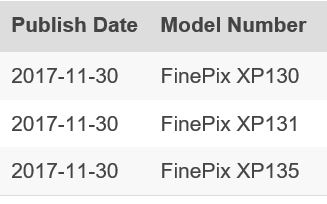
  • Fuji FinePix XP130 (update from Nokishita)

    Read the full posts over at FujiAddict.com: link 1 | link 2.

    Fujifilm has at least two new cameras already registered with various government agencies (I am not sure about the third registration):

    One more new Fuji camera registered in China

    Fujifilm already has a trademark for the X-H name:

    New trademark registered for Fuji X-H digital camera

    Here is another update from FujiAddict:

    ONE MORE THING! Additional Fujifilm GFX 50R and Fujifilm GFX 100S Information Plus Roadmap Update!

    Make sure you join our new Fujifilm X-H Group and Fujifilm X-H Page on Facebook


    Source: FujiAddict.com leaked details on the upcoming Fuji X-H1, XF10, XT100 and GFX R (rangefinder medium format mirrorless interchangeable lens camera)

    Friday, 1 December 2017

    For the travelling photographer, Think Tank Photo introduces Airport Advantage Plus rolling camera bag

    by Jeremy Gray

    posted Thursday, November 30, 2017 at 2:30 PM EST

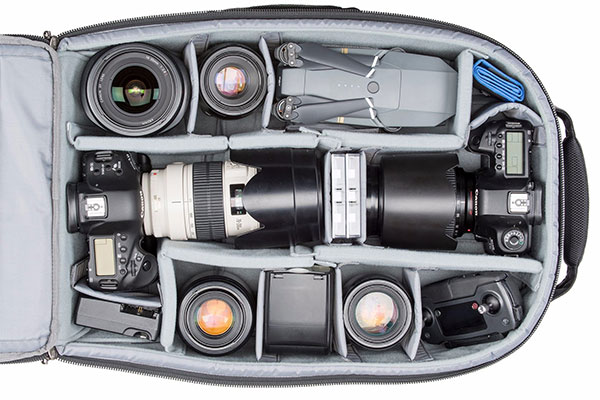
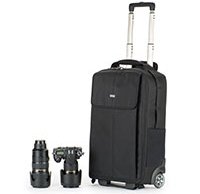
    For photographers always on the move, flying with your gear can be a stressful experience. That's where Think Tank Photo comes in with their new Airport Advantage Plus rolling camera bag. The roller has been designed to maximize the amount of gear you can carry while complying with international carry-on requirements and providing a high level of protection and security.

    Despite having a roller design, retractable metal handle and protection for your gear, the Airport Advantage Plus weighs in at only 6.9 pounds (3.1 kilograms) to help you keep your carry-on under weight restrictions. It also has a dedicated padded 17" laptop pocket. As far as gear capacity is concerned, the bag holds a gripped DSLR with an attached lens, an ungripped DSLR with an attached lens plus five to eight addditional lenses. Or it can hold a pair of gripped DSLRs with five to seven additional lenses. If you're a mirrorless camera user, Think Tank says it can hold two bodies "with a crazy amount of lenses." In terms of the largest lens you can fit inside the back, Think Tank states you can hold a detached 200-400mm lens with the lens hood reversed onto the barrel.

    Think Tank Photo CEO and lead designer Doug Murdoch says of the Airport Advantage Plus, "Traveling photographers are finding it increasingly difficult to keep their most valuable and fragile gear-their bodies, lenses, and laptops-near them and safe from rough baggage handling. The new Airport Advantage Plus was designed with not only this in mind, but with the more restrictive size and weight requirements that go with international travel."

    Additional key features of the bag include a multi-use interior for cameras and clothes, a custom designed extra tall retractable handle with inset channel on aluminum tubing for durability, tripod mount pocket on the side, lockable zipper sliders, included travel pouch, user-replaceable parts including the handle and wheels, interior zippered pockets and included rain cover.

    You can order the Think Tank Photo Airport Advantage Plus now for US$290.


    Source: For the travelling photographer, Think Tank Photo introduces Airport Advantage Plus rolling camera bag